
What marketers can learn from luxury brands.
Credit Hermes
Luxury brands are often early indicators of cultural shifts. They have the resources to experiment and the confidence to commit. Even outside the luxury space, there is a lot to learn from how they translate cultural signals into action.
Here are four recent campaigns we paid attention to.
Lacoste leaves its mark on the snow
What’s green on the slopes of Courchevel? Not a pine tree, but Lacoste’s new pickleball courts, unveiled in December 2025. Long associated with tennis, the brand enters one of the fastest growing racket sports through an unexpected alpine setting.

Credit: Lacoste
From a marketing standpoint, this is a disciplined expansion move. Pikleball is more accessible, social, and culturally fluid than tennis, with rapid adoption among younger, affluent audiences. By entering the category through a permanent, four season installation in an ultra premium setting, Lacoste frames pickleball as a credible evolution of its sporting heritage.
The courts, the upcoming Courchevel x Lacoste collection, and the branded presence across resort touchpoints work together as brand proof.
How to apply this trend
If physical experiences are in your 2026 marketing playbook, treat them as brand work, not just event production. Choose locations that carry cultural meaning for your audience, even at a small scale. Design every detail with intent, from food and drinks to materials and tablescape, so the experience creates memory. Focus on creativity and coherence rather than size. A single, well considered moment that lets people live your brand will travel further than a repeatable format with no point of view.
Equinox and trust in an algorithmic world
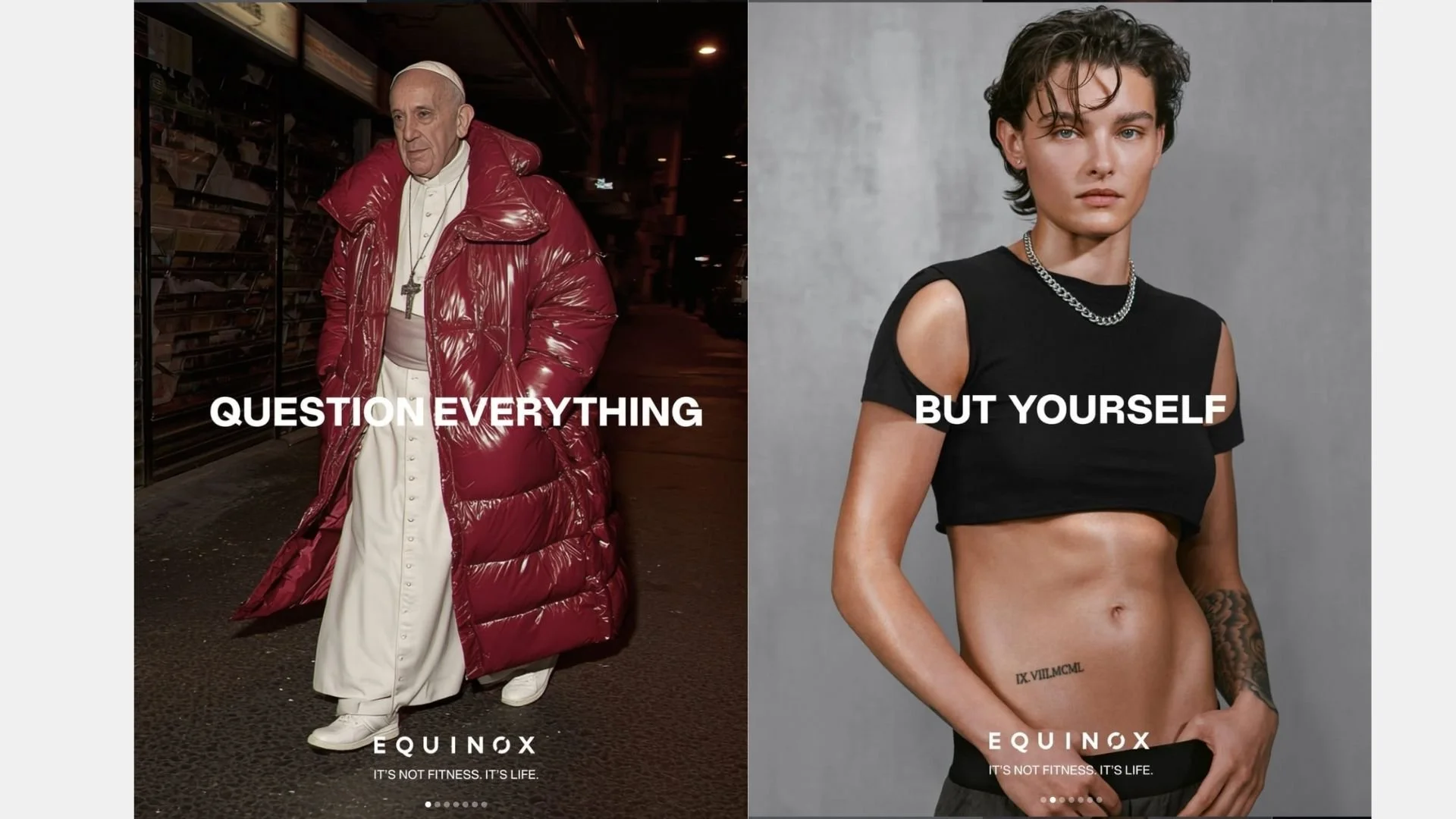
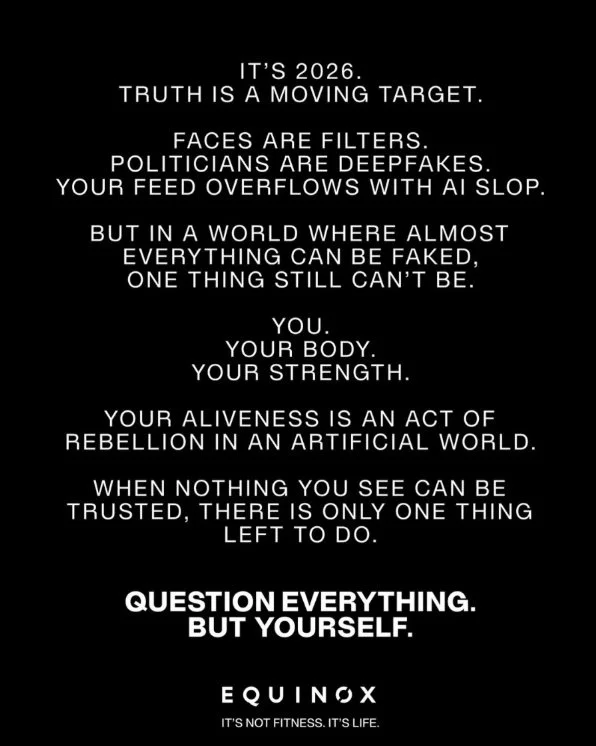
In January 2026, Equinox launched Question Everything But Yourself, a campaign that taps directly into the fatigue around AI generated content, deepfakes, and digital distortion.
The rollout played with confusion. Absurd, fake looking videos circulated on social platforms before the campaign reveals its point of view. In a world where images and narratives are easy to manipulate, Equinox brings the focus back to the physical body. Effort, strength, and consistency remain things you experience, not simulate.
Credit: Equinox
How to apply this trend
If you are using AI in your marketing, clarity about what your product truly delivers becomes non-negotiable. Equinox shows that trust is protected when a brand is explicit about what cannot be automated or simulated. Be precise about what is real in your offer, anchor your message in outcomes people can experience themselves, and avoid aesthetics or narratives that blur authenticity. When the product is clearly defined, AI can amplify the message without eroding trust.
Credit: Equinox
Hermès and the strategic choice of human craft
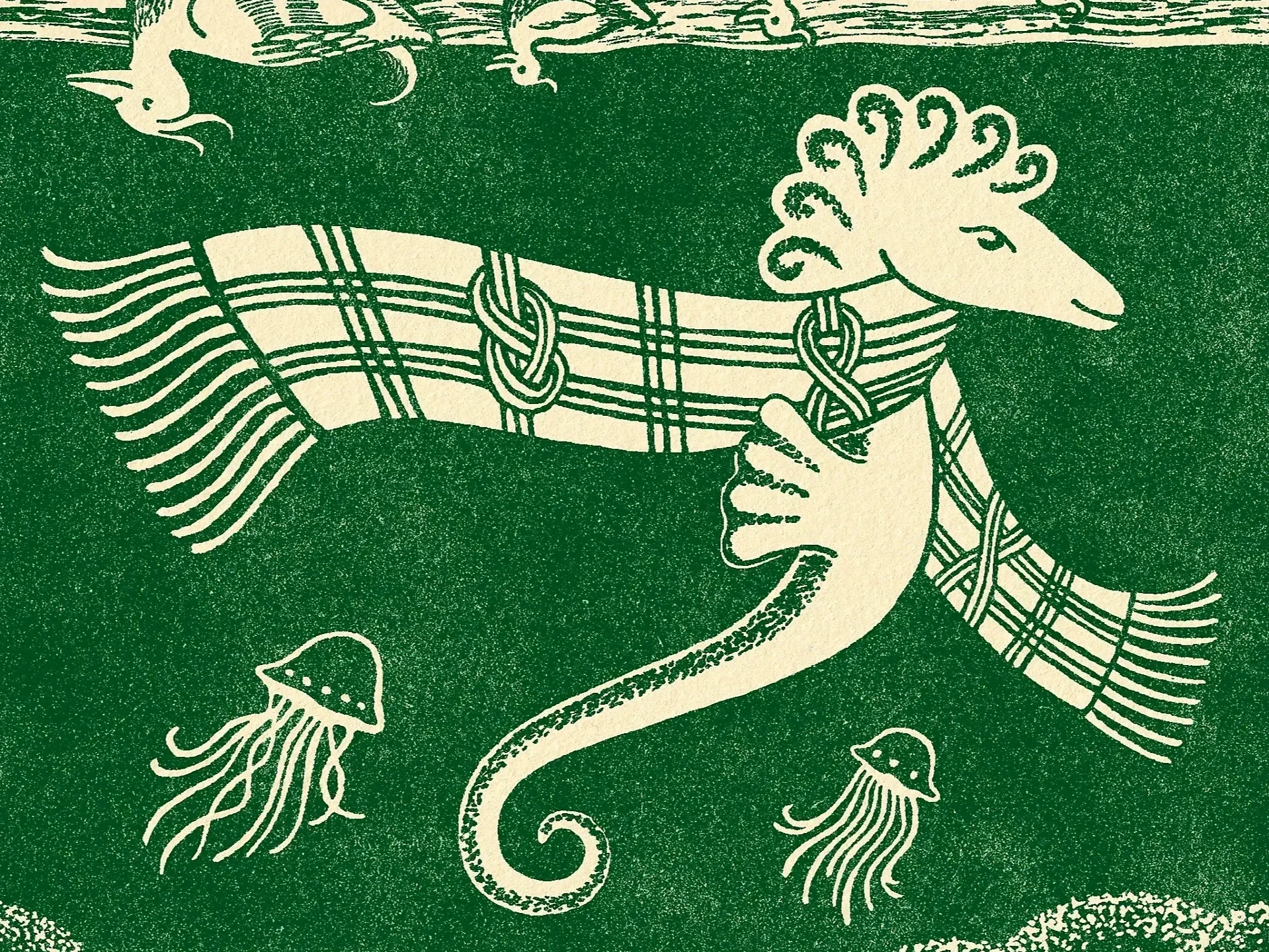
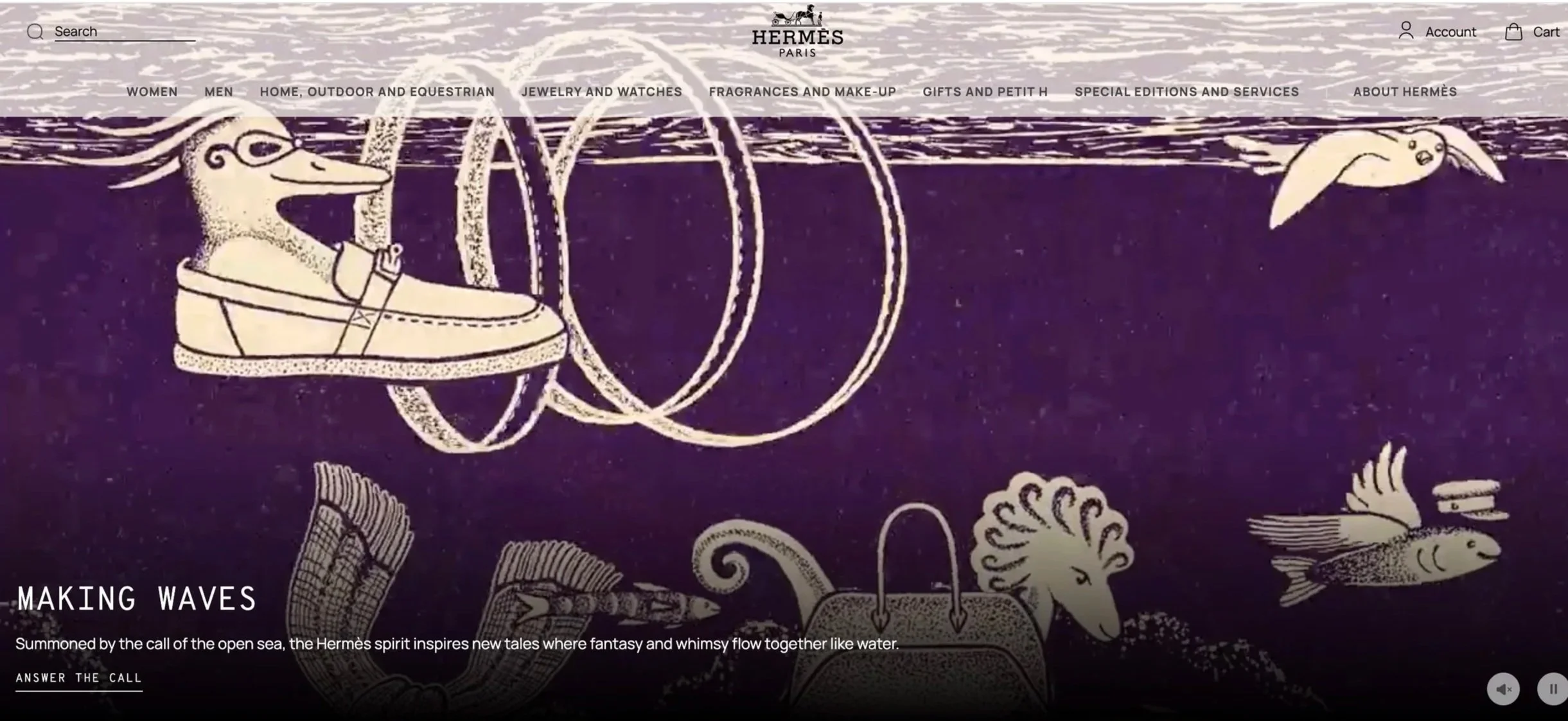
At a moment when many brands adopt AI generated visuals to increase output and efficiency, Hermès moves in the opposite direction. Its recent website redesign uses hand drawn illustrations and visible human work. Hermès treats the website as an extension of the atelier, designed to make effort, intention, and exclusivity perceptible. By making craft visible, Hermès protects desirability and avoids the flattening effect of automated aesthetics.
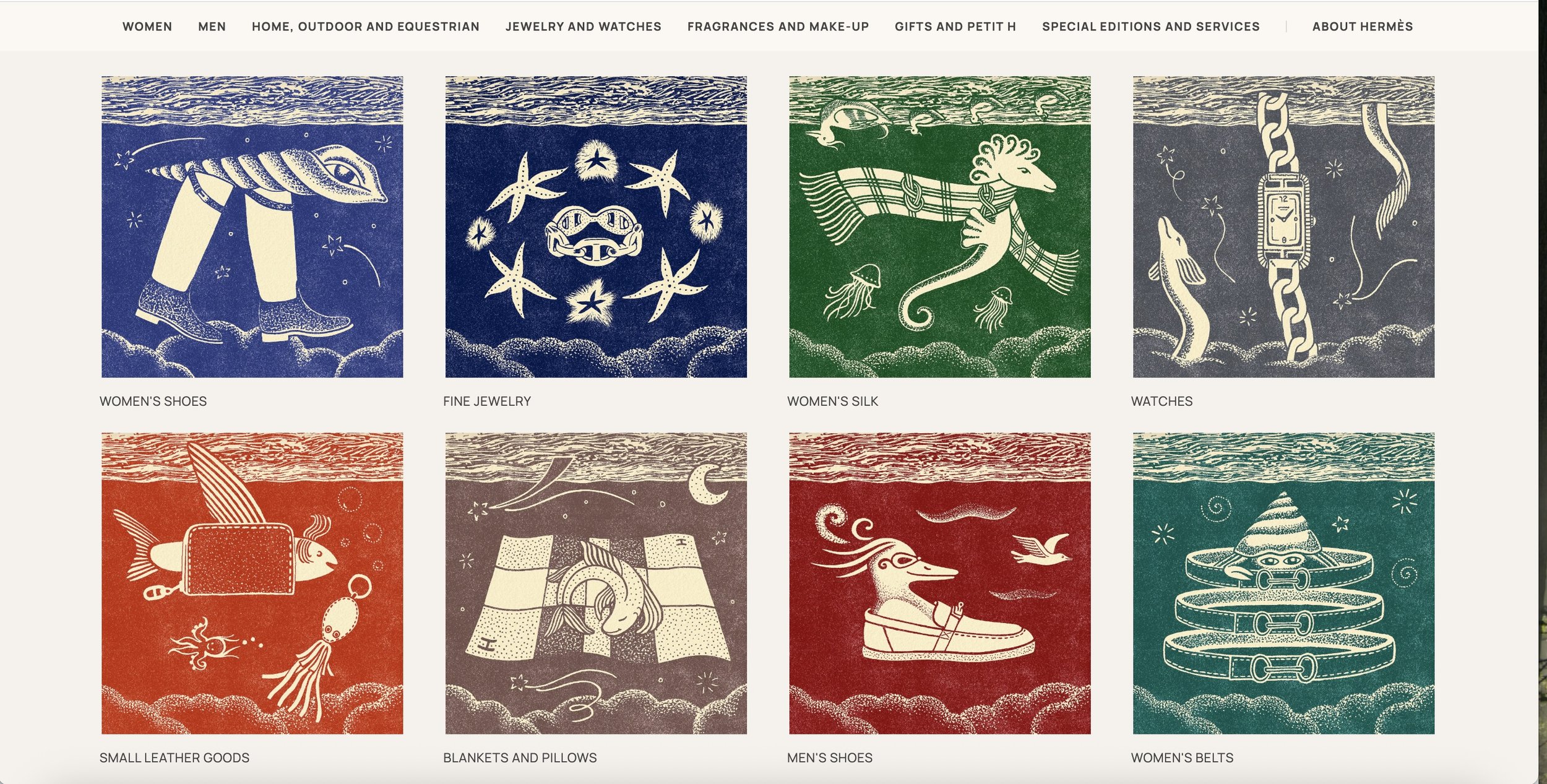
Credit: Hermes
How to apply this trend
Make sure AI is part of your creative toolkit, but resist the temptation to optimize only for speed and volume. Invest in a small number of beautiful artifacts that carry emotional weight and cultural meaning. These pieces signal care, vision, and intention, qualities that audiences increasingly associate with trust and desirability.
Songmont and the rise of culturally confident Chinese luxury
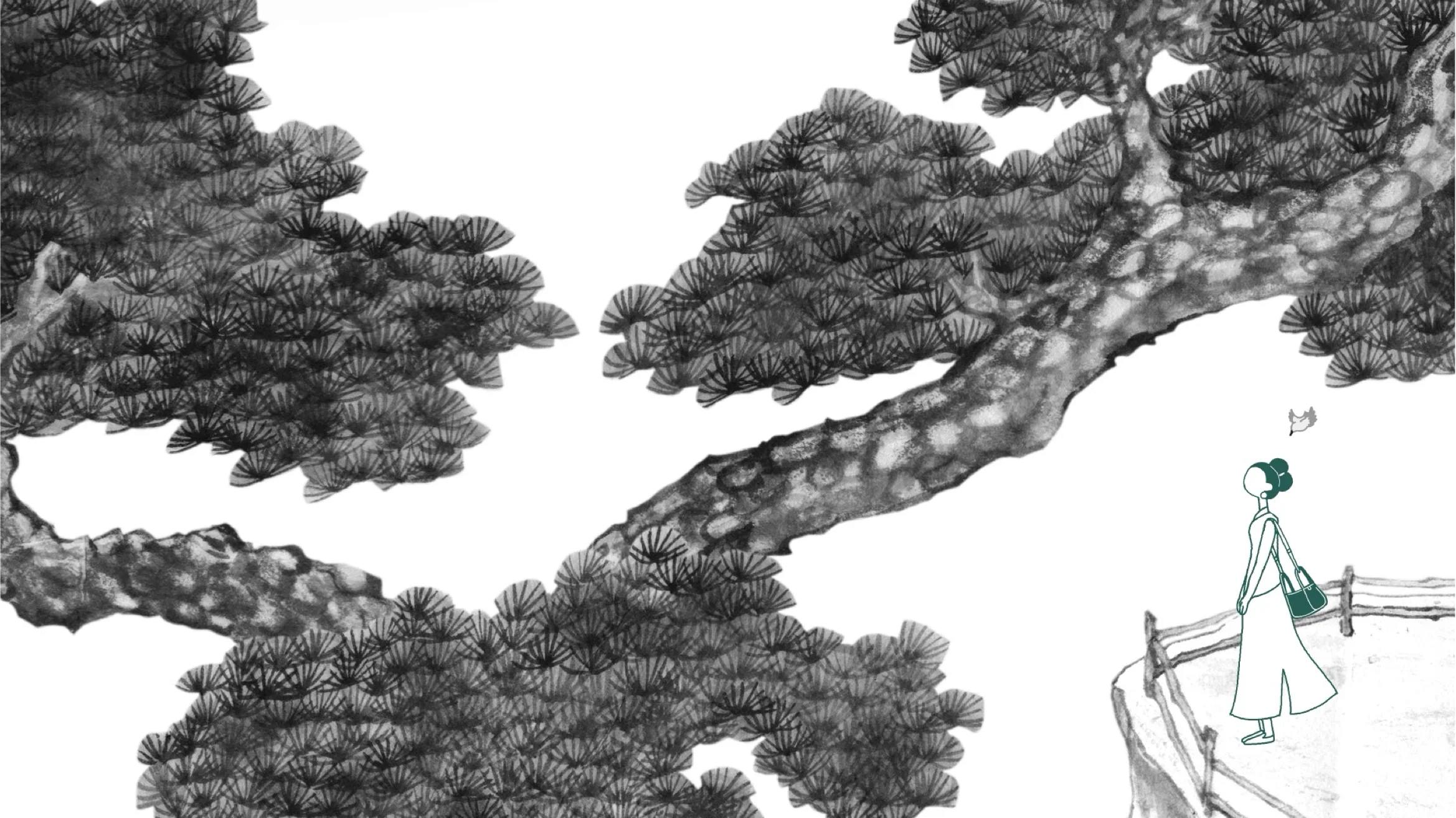
Credit: Songmont
I got really interested in Chinese brands after a recent trip to Shanghai, where I discovered brands like Songmont, ICICLE or Shang Xia.
Songmont illustrates a broader shift in Chinese consumer culture, where younger, affluent buyers increasingly support national brands that reflect their values, identity, and lived experience. Founded in 2013 by Fu Song, the brand emerged through a story anchored in family, craft, and continuity. The involvement of multiple generations of artisans, particularly the Shanxi-based “Granny Team,” gives Songmont a narrative depth.
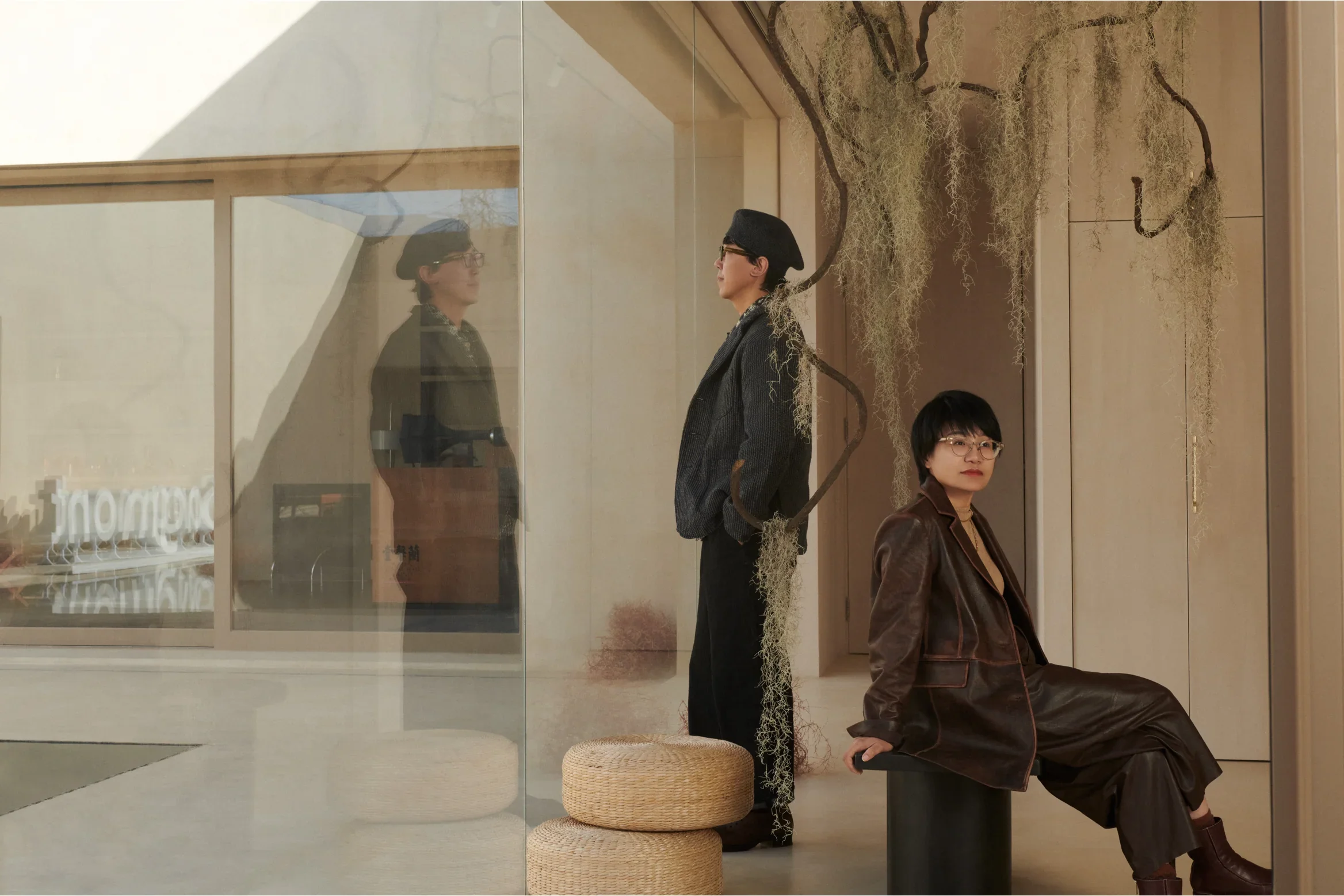
Credit: Songmont
What makes Songmont resonate with a new generation of Chinese consumers is its alignment with the contemporary codes of luxury. Craftsmanship is visible, design is restrained, and growth is intentional. The brand emphasizes longevity, iteration, and user dialogue rather than rapid expansion. This approach fits squarely within the rise of cultural confidence often described as guochao, where pride in local heritage and modern Chinese creativity shapes purchasing decisions.
How to apply this trend
You do not need decades of history to create meaning and in startups, the journey behind an idea often carries as much weight as the idea itself.
This is why founder stories resonate so strongly. A well-told origin story helps customers understand what the company stands for. It gives employees a shared sense of direction and context for their work. It also creates differentiation that emerges from lived experience rather than positioning alone.
Starting the year inspired
These beautifully executed campaigns are also powerful reminder of the incredible power marketing holds, to shape perception and create emotional connections between brands and their audience. At a moment when marketing channels are increasingly saturated and expensive, they offer welcome inspiration on how clarity, creativity, and intention can still cut through.