
AI commoditizes execution. Trust is the new moat.

If you follow marketing thinkers like Andrew Chen , General Partner at Andreessen Horowitz, or Elena Verna, Growth Lead at Lovable, you’ve probably felt a bit of tension around one question lately: how do you pick growth channels for 2026 without wasting time, money, or credibility? As Andrew wrote recently in Every marketing channel sucks right now, many of the channels teams have relied on for years simply don’t behave the way they used to.
Traffic is fragmenting, costs are rising, AI has commoditized execution, and the channels that once scaled predictably now decay faster than teams can optimize them. SEO is intercepted by AI answers, paid acquisition gets bid up, and corporate social struggles to convert…Ouch.
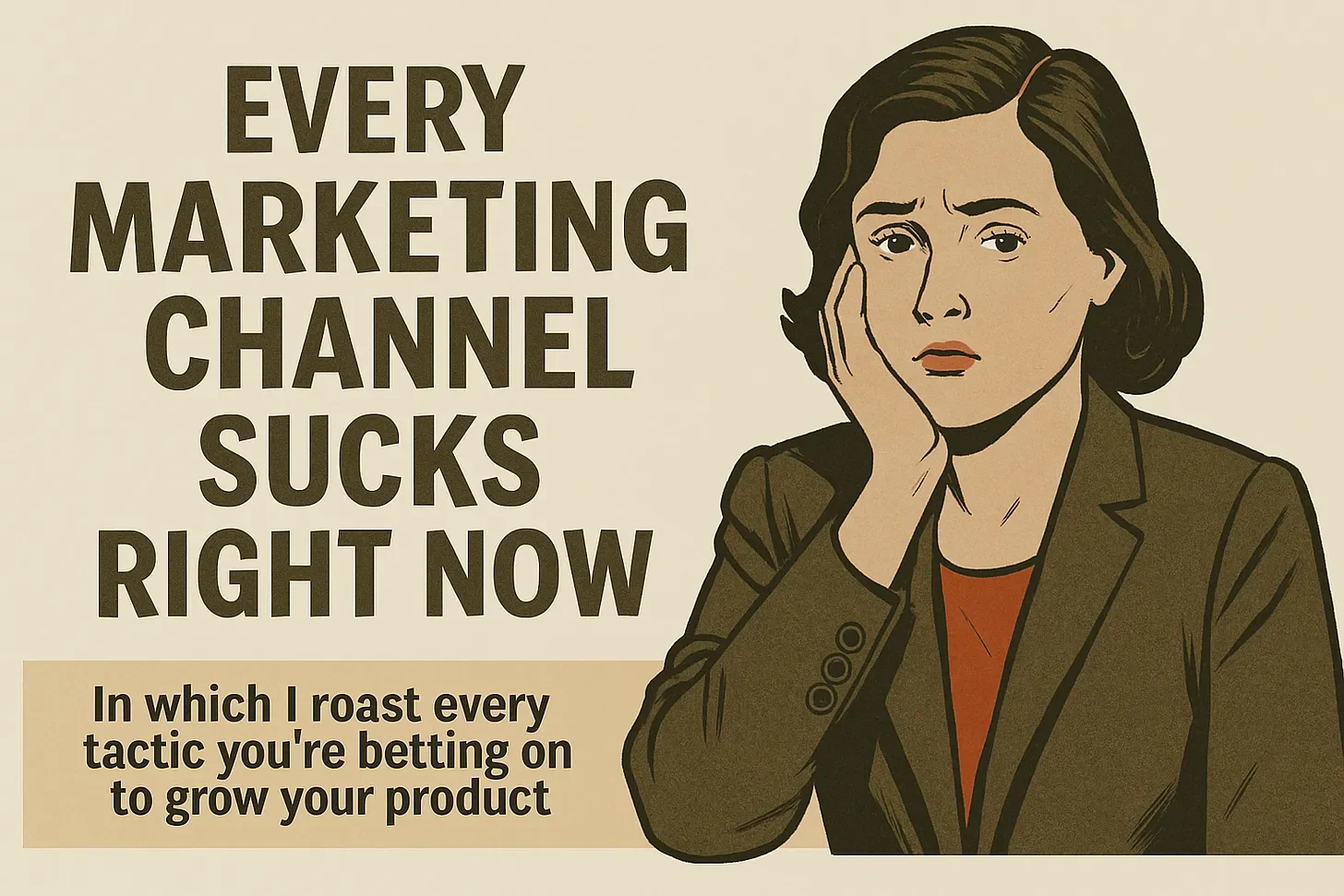
Credit: Andrew Chen
What keeps coming up in these conversations is trust.
There’s data behind it, but you don’t really need a chart to feel it.
The Edelman Trust Barometer has shown year after year that trust in governments, institutions, and large organizations continues to erode, while trust in “people like me,” peers, and credible individuals remains significantly higher. Gartner even predicts that “By 2027, brands will allocate 50% of their influencer marketing budget to content and creator authenticity initiatives to optimize engagement and monetization in Al search environments.”
As algorithms take on more of the filtering, they increasingly reward verified, trusted sources over polished but anonymous content. This is why “authenticity” is a buzzword that is not going away anytime soon. Visibility is now about provenance, who is speaking, why they’re credible, whether the system can recognize that credibility.
This explains why founder brand shows up so consistently in 2026 conversations. When founders explain how decisions are made, what tradeoffs exist, and where the product is heading, they reduce uncertainty.
As Elena Verna put it when describing Lovable’s growth approach:
“One of our biggest strategies is building in public. It’s coupled with employee socials, founder-led socials, and giving the product away a lot. That’s part of our growth secret sauce.”
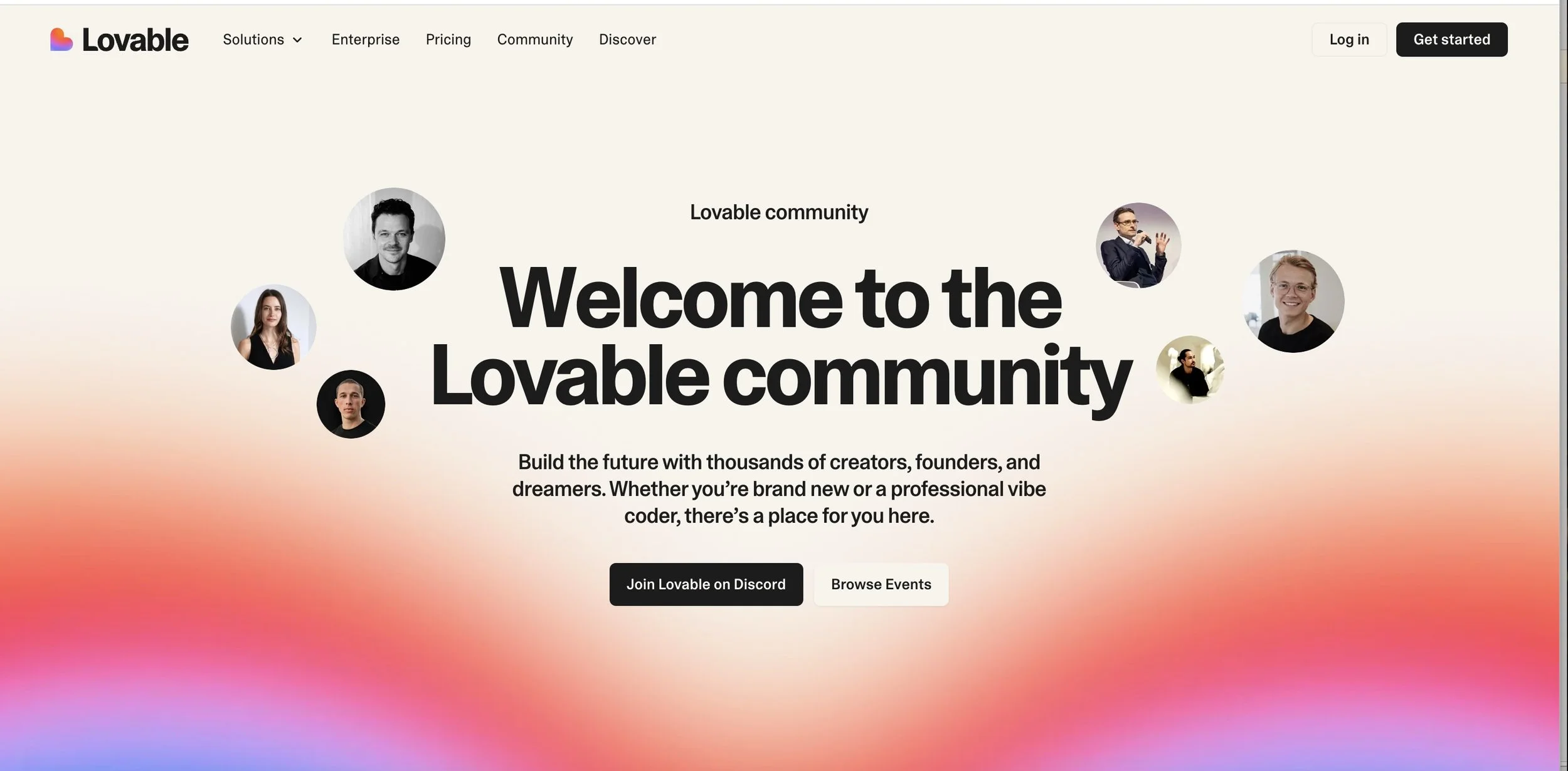
Credit: Lovable
Communities remain very impactful for a similar reason. A healthy community lets customers see each other using the product, solving problems, and comparing notes. Over time, that shared knowledge compounds into trust because it’s earned in public.
As we heard from the CEO of about Telo Trucks where feedback now comes from their highly engaged Discord community "You can't participate in the Discord channel unless you introduce yourself and say how you would use the vehicle. So our actual understanding of our customer base, has changed dramatically over time."
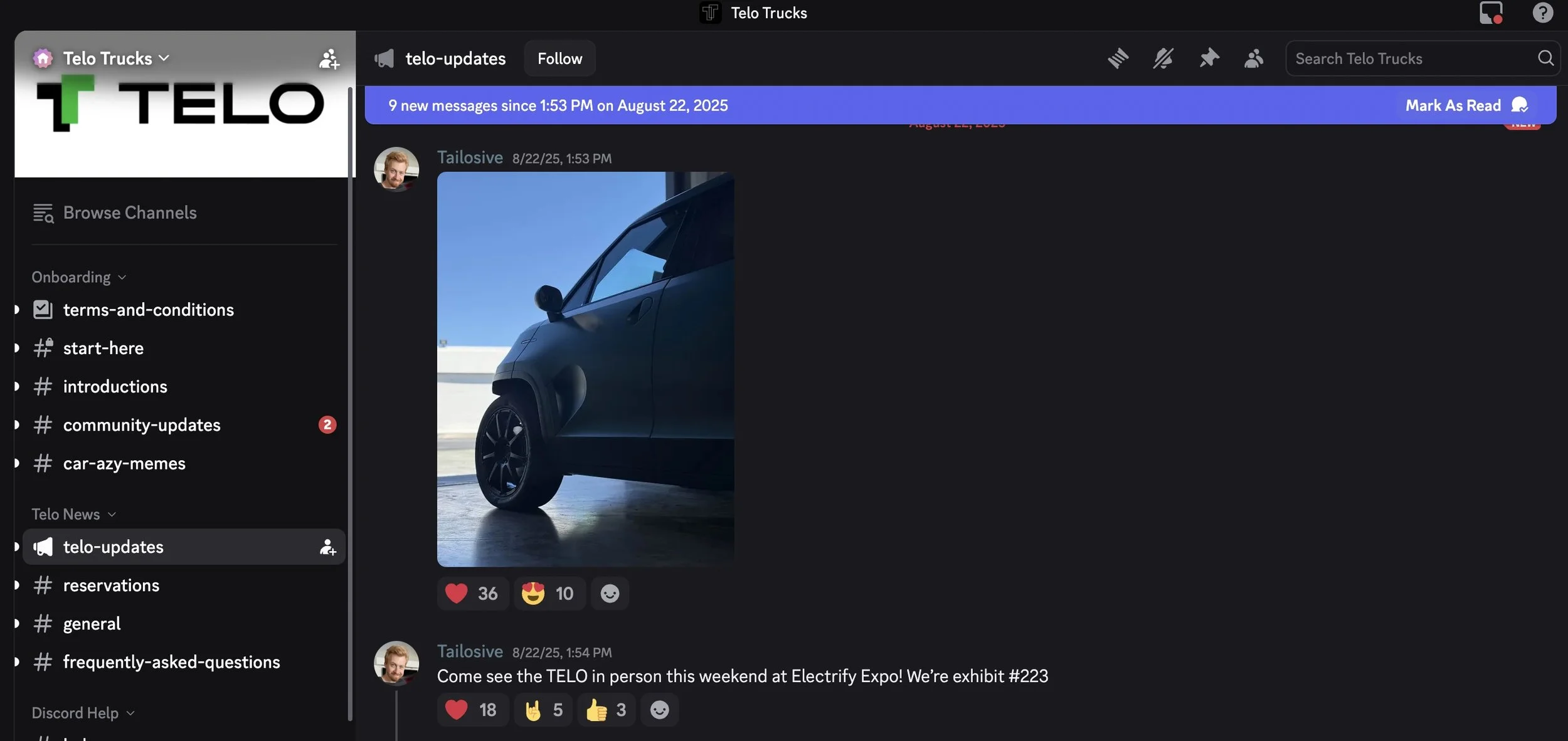
Credit: Telo
Power users and user-generated content are great at building trust both at the company and product level. You can see this clearly at Canva. Many of Canva’s most effective acquisition surfaces aren’t owned or controlled by the company at all. As Yana Belova, Community Vertical Lead at Canva, explained:
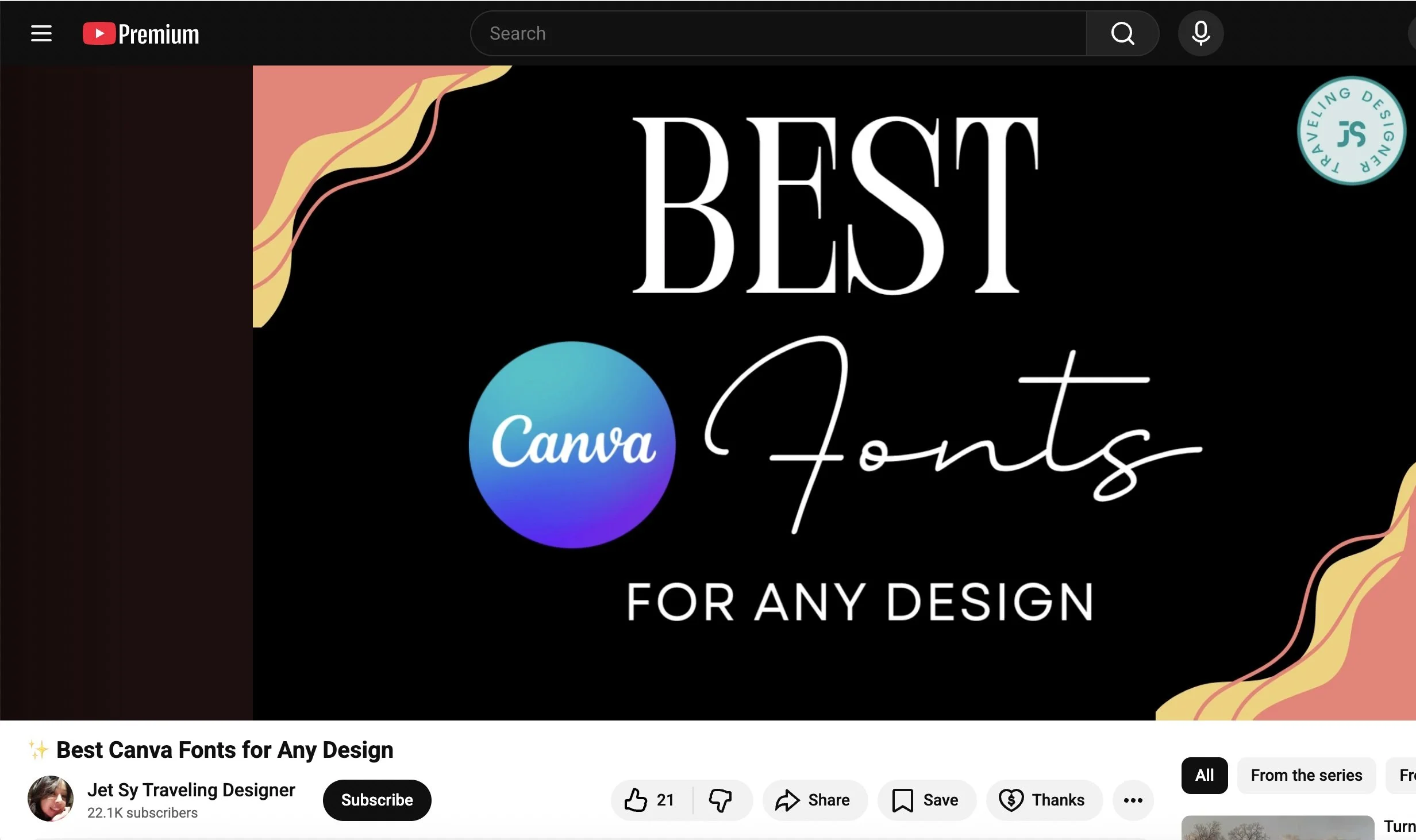
Credit: @travelingdesigner
“When you Google things like ‘Canva fonts for designers’ or ‘Canva code,’ you don’t see Canva content. You see tutorials created by our power users.”
Finally for many startup advisors, referrals, warm intros are the holy grail. When your request comes through someone the recipient already trusts, you bypass both the algorithmic filter and the human skepticism that polished but anonymous outreach triggers.
People want to help you, but they won't do your work for you.
This is why building a strong referral engine is a fundamental growth strategy. I am a big fan of the Self-Contained Forwardable Email approach, aka a standalone email your connector can forward in seconds from mobile: popularized by Chris Fralic, Board member at First Round Capital and advice from Wes Kao about framing 90% of the ask around the recipient, not you. Your ask should include: personalization, social proof, tackle their likely concerns proactively, and demonstrate why it matters now.
Conclusion
What’s notable is how these channels reinforce each other: A founder’s voice feeds community, a community generates stories and fans, which you can turn into product roadmap and stories.
So where will you be investing in 2026?
If you want to discuss GTM strategy, contact us for a 30-minute complementary clarity call.