I recently spent an afternoon in the office of Stanley Saitowitz, founding partner of Natoma Architects, in San Francisco. Every pipe, beam, and stair in the building is in plain view. The space feels calm, focused, welcoming with a beautiful autumn light.
At a time when creativity and taste are at a premium, it's worth making time for adjacent creative fields, whether that's an architect's studio, a design talk, or a gallery. It trains you to "see" the world in a way that carries into any profession, and Stanley's approach offers lessons every founder can use.
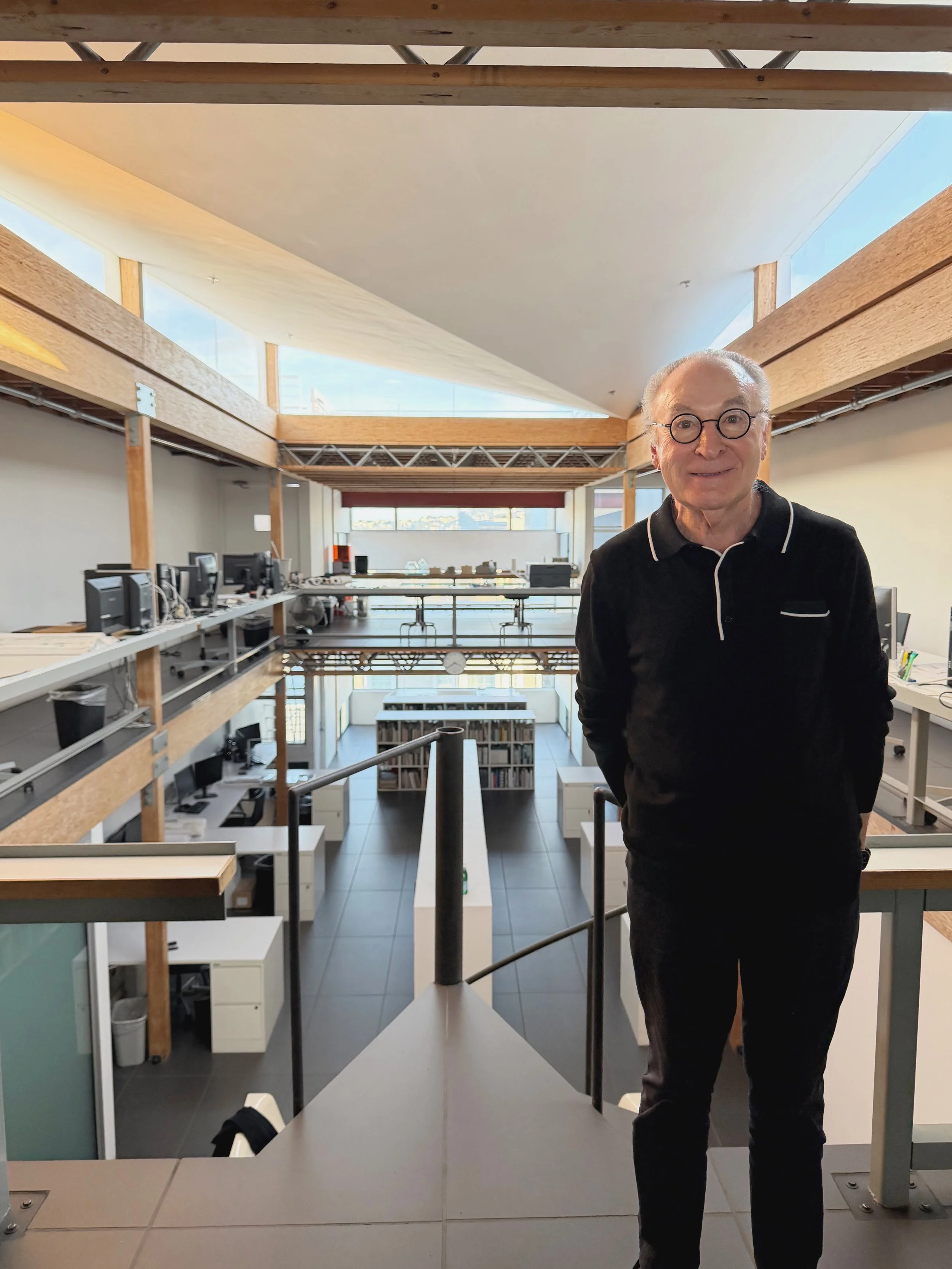
Stanley Saitowitz, Founding Partner of Natoma Architects in his office.
Design with the construction in view
Stanley was born in Johannesburg, built his first house at age 22, and taught architecture for decades at UC Berkeley, where he is now an Emeritus Professor. His 250 pieces of work span affordable housing, religious buildings, urban planning, and homes for AI billionaires. During the afternoon he summed up his approach in 3 words: "Construction made visible."

The facade of 1022 Natoma Street
His firm describes the building this way: "Everything is exposed, the essential elements and construction creating the aesthetic." The pipes run up the walls in plain sight, and because you can see exactly how the building stands up, nothing feels hidden.
Product leaders building AI see the same thing. In a recent interview, Aparna Chennapragada, a corporate vice president at Microsoft, named editable plans and "showing the work" as new design patterns for agentic products. It's construction made visible, applied to software: people trust an agent more when they can see how it got to its answer.
Put the complexity in the walls
When design a space, Stanley is strict about where the messy parts go. On a narrow city lot, he made the side walls extra thick and packed them with the stairs, kitchens, bathrooms, and storage, which leaves the middle of the building wide open. His firm has a name for this idea: "compression facilitating openness."
The same thinking shows up in his houses. The OZ House in Atherton is described as "a reduced expression of sheer material and absolute form," and compared to an iPhone: one object, with the seams pared away. And for all its purity, the house fits the way the people inside it actually live.
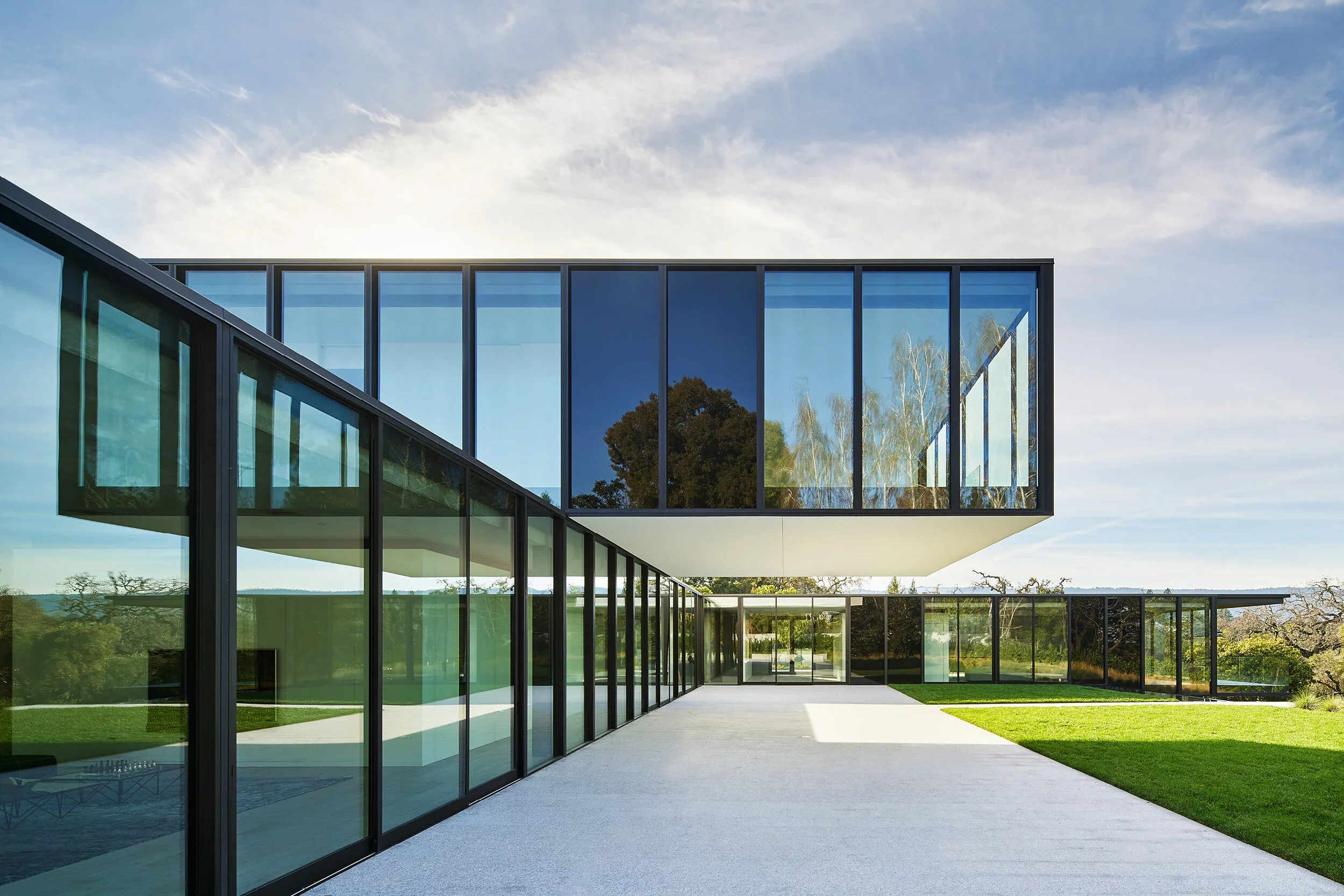
Credit: Natoma Architect. OZ House
Those two moves, a rigorous system hidden in the walls and a design shaped around the people who live with it, are exactly what AI product teams are relearning. On a recent episode of Lenny's Podcast, OpenAI product leaders Tara Seshan and Nan Yu named systems thinking and user empathy as the core skills for building AI products, old principles now applied from scratch to agents and voice interfaces.
Be rigorous
Stanley has a word for that kind of deep design thinking: rigor. For him, it means building from a module. Every dimension of the Natoma building comes from a single 4-by-8-foot sheet, the standard size of building material, so nothing is improvised.
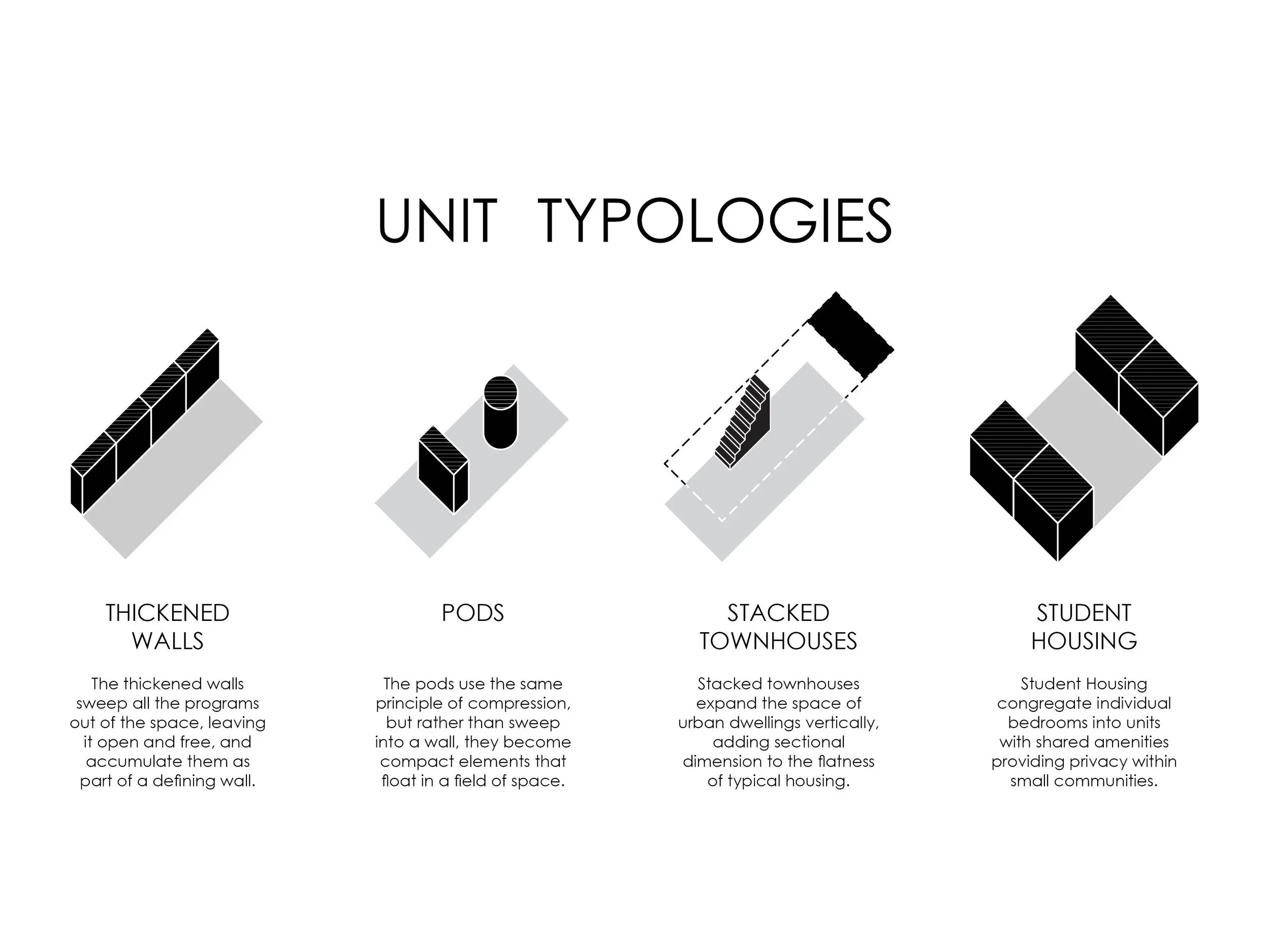
Credit: Natoma Architects.
Elizabeth Stone, Netflix's chief product and technology officer, explains why that work still deserves time when AI speeds everything up: deep design thinking is what makes complexity invisible for users.
For a product leader, rigor means one core description of the problem, the user, and how the product solves it, which every spec, screen, launch page, and sales conversation is built from.
Three take aways product and marketing leaders can apply
Show the process. In the product, let users see how it reaches its answers. In the messaging, explain how it works, because that is the most believable thing you can show a buyer.
Put the complexity in the walls. Build the core experience and the core story around one clear job, and keep the settings, integrations, and full feature list close by for the people who dig in.
Be rigorous. AI makes it tempting to move fast, and speed works best with guardrails. Set one core description of the problem, the user, and how the product solves it, then let it shape every spec, screen, launch page, and sales conversation, including what your AI tools generate.