
Disrupting retail, earning consumer trust
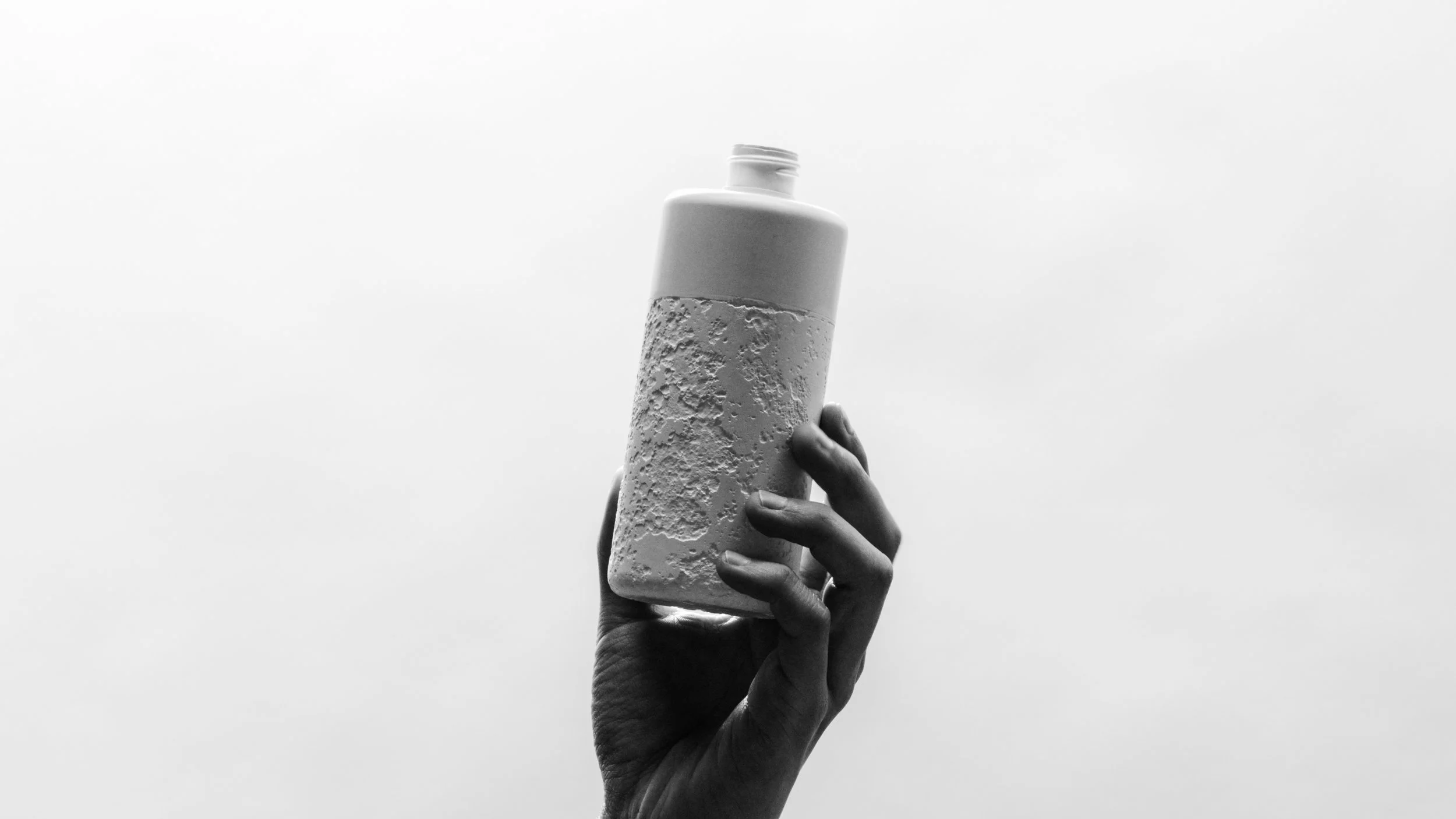
Credit: Shellworks
Somewhere in the soil beneath your feet, bacteria are making plastic. They have been doing this for billions of years, storing carbon as a polymer inside their cells as a form of energy reserve, running the same metabolic logic as fat storage in humans.
Shellworks, the UK materials company co-founded by Amir Afshar and Insiya Jafferjee, figured out how to run that process at commercial scale. You feed agricultural waste or used cooking oil to naturally occurring bacteria, and in 24 to 48 hours they store the carbon as a polymer. You extract it, formulate it, and the result behaves exactly like plastic, until it meets a bacteria-rich environment, at which point those same bacteria recognize it as food and consume it completely. No microplastics. No persistent waste.
"For the last 120 years," Amir said, "humanity spent a lot of time and resource trying to figure out how to turn crude oil into plastic, and we built all of this infrastructure. But for billions of years, bacteria have been making polymers in their cells." Shellworks is simply putting that process to work. The material is called Vivomer and over 8 million units had already shipped.
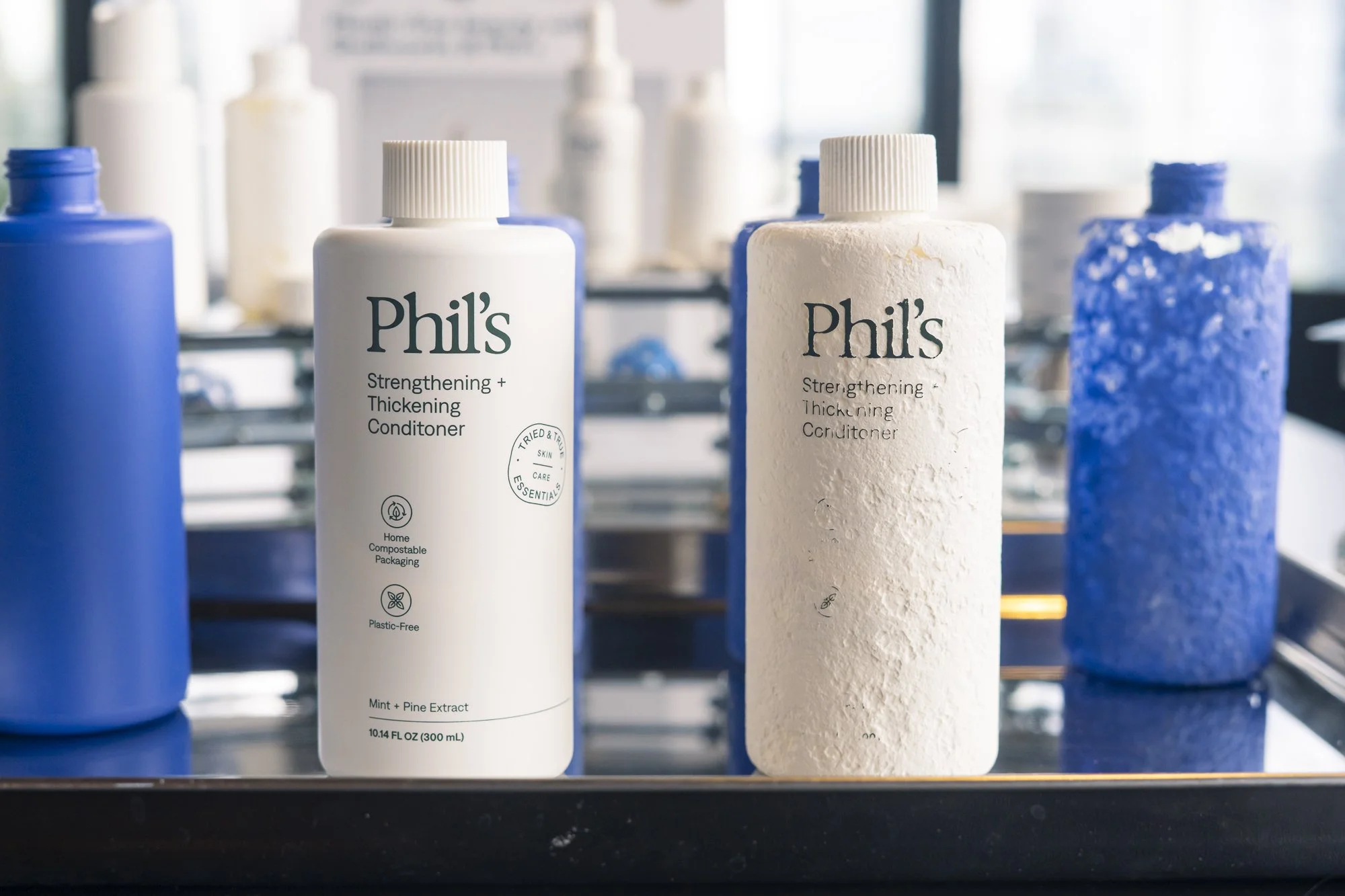
The beauty industry is where Joncarlos Guerra, CEO and co-founder of Phil's, the personal care line powered entirely by Vivomer, spent 18 years before deciding he'd seen enough.
He had built a previous hair and skin care company with his wife that scaled well, and from the inside it looked like this: millions of plastic tubes going out the door every year, 79% of all plastic ending in a landfill, and 95% of beauty packaging specifically, because the small components are too irregular for sorting machinery. The thing that struck him was the poverty of the available answers. Shampoo bars existed. Focus groups were clear: "This is cool, but I would never do this." People weren't going to change how they washed their hair. The question was whether the packaging could change while the product stayed exactly the same.
Sell something every three months or go home
Jon had been tracking Shellworks from their early work with shellfish-derived materials, and when he saw they were working with Wild, a UK personal care brand, at commercial scale, he reached out. They met in New York. Within an hour, Guerra had decided his entire line would be made in Vivomer.
Two years of testing followed: shelf stability, UL certification, compatibility with every stage of production. The first large production run hit a problem when the ink started coming off at the filler, after 5,000 to 10,000 parts had already shipped to the US. Amir flew to New York to apologize in person. Jon's response was to ask whether they could weave it into the narrative: "Can we weave that into part of the narrative that we designed this so that the ink runs off?" They fixed the problem. But that instinct, to reframe a failure as a feature rather than a reason to walk away, is what made Jon a genuinely special early partner.
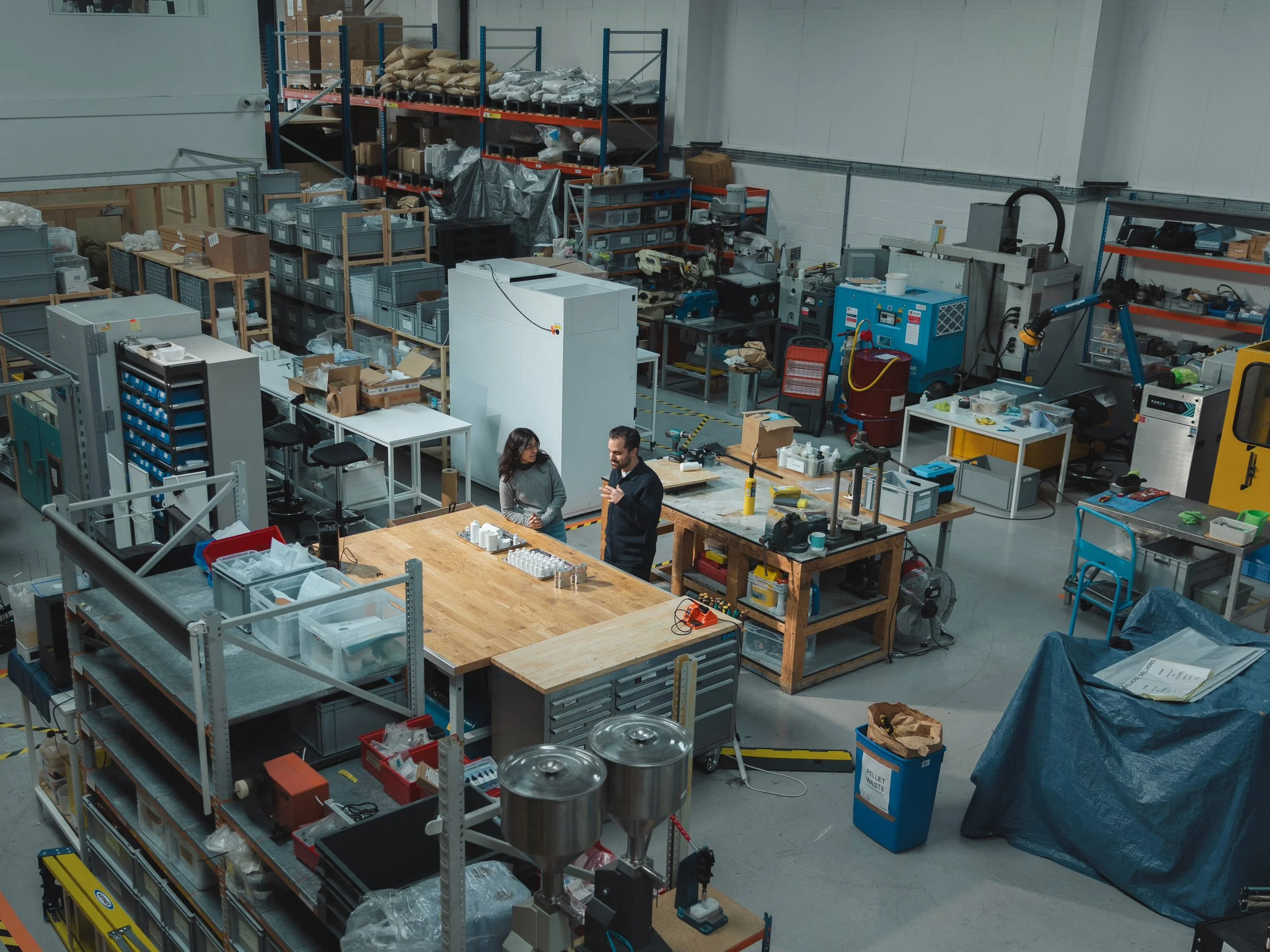
Credit: Shellworks, Insiya and Amir, Co-founders
Insiya set the operating principle on the day they founded Shellworks. If the material doesn't work on the same equipment already running in industry, it will never scale. And if Shellworks doesn't sell something in three months, she was packing up the business. "She was like, 'I'm not interested in doing R&D,'" Afshar said. "We've just got to keep selling stuff every three months."
That three-month deadline became six years of the same discipline: sell, learn, iterate, sell more. At 5 million units, Vivomer is already cost-comparable with glass, aluminum, paper, and chemically recycled plastic. The next target is recycled plastic, then virgin plastic. The situation in the Middle East is pushing virgin plastic prices higher and limiting supply, which could accelerate that cost crossover considerably.
The consumer backdrop is shifting in ways that matter for any founder in this space. Jon and Amir both observe a consistent difference between European and American buyers: European consumers tend to act on environmental concern, while American buyers are increasingly driven by the personal health implications of microplastics. "For the consumer, the plastic free and the microplastic issue is probably larger than the sustainability side," Jon said, "because it's a direct impact on their health." Amir thinks the shift is still early but likely to compound. "I think in five or ten years, people will think about plastic the same way that if I say asbestos now in the room, people are panicking," he said. Forty years ago, asbestos was considered one of the best materials available. Nobody was saying it was a problem. The science existed; the cultural reckoning hadn't arrived yet.
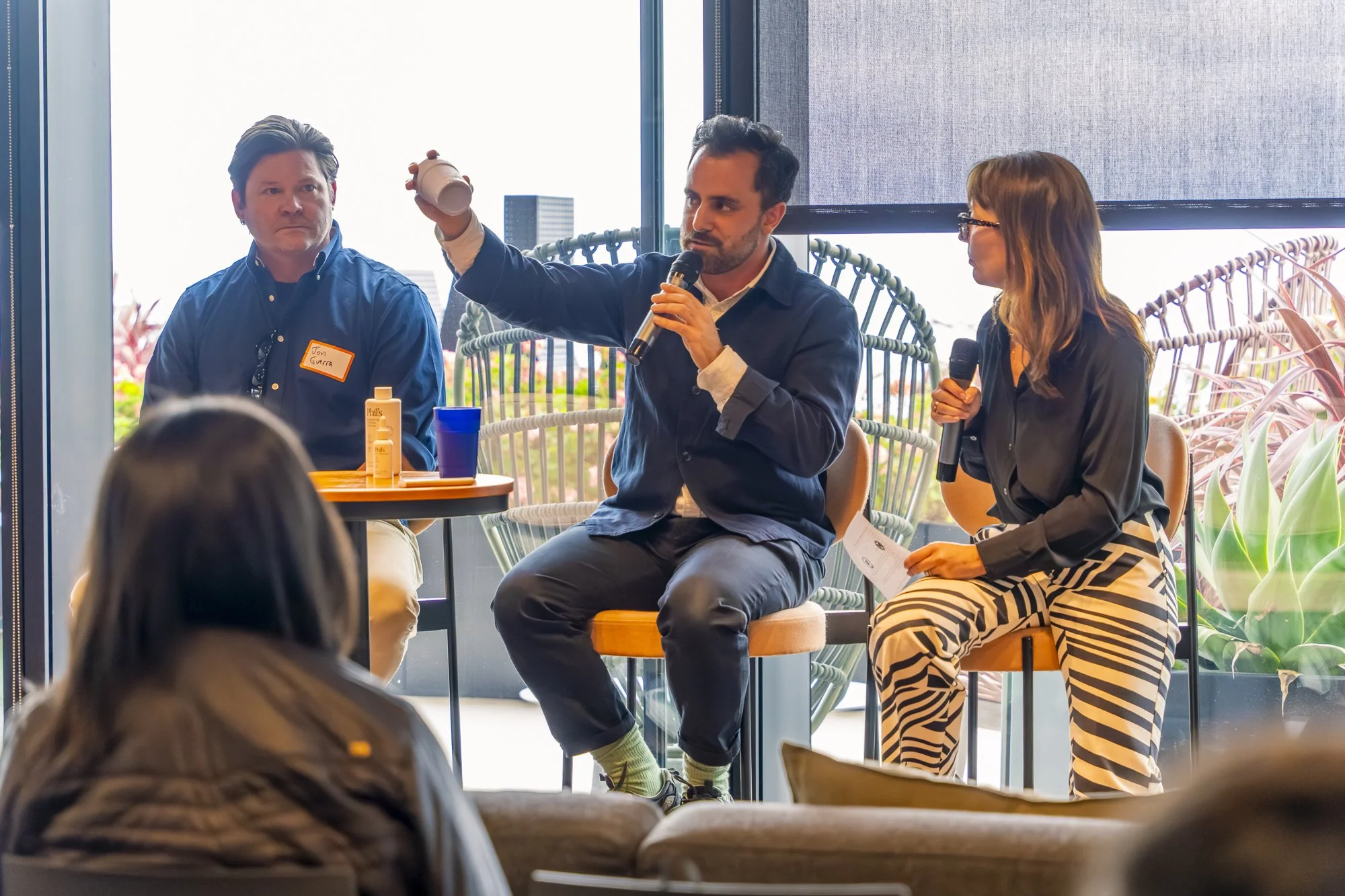
Joncarlos Guerra, Amir Afshar, Veronique Lafargue
Shellworks found an unexpected sales tool in that cultural moment. After years of building without much social media presence, they brought on a videographer who had studied microbiology before deciding he wanted to make films instead. His first video for them, a 50-second clip, reached 13.2 million people organically and drew around a million likes.
Amir and his team took that audience data directly to brand partners as a commercial signal: here is what consumers are already saying about this material. Do you want to be part of it?
Shellworks now creates content for brand partners as part of its offering, material and packaging and proof of demand in a single conversation.
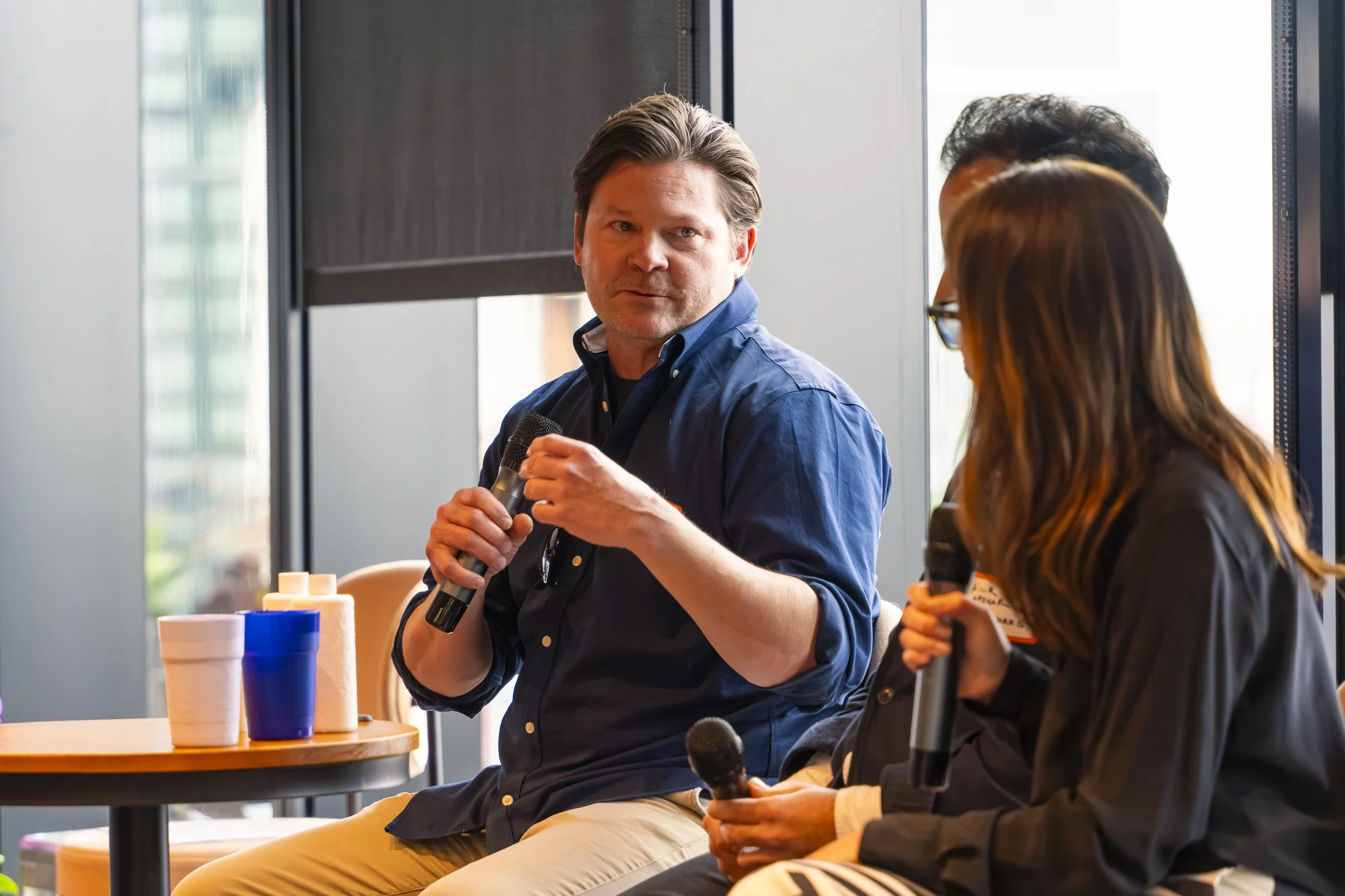
Joncarlos Guerra, CEO & Co-Founder, Phil’s
The principle Amir and Jon landed on, separately and then together, is simple to state and difficult to sustain. The product should stay exactly the same. The material it's made from should change completely. "If you switch to Vivomer," Amir said, "you can basically be living exactly the same as you were. You just got rid of all the toxicity from your life." Getting to that outcome takes selling something every three months, flying to New York to apologize when the ink comes off, and finding the partner whose first instinct, when something goes wrong, is to ask how to make it part of the story.