
Rethinking hospitality for efficiency and comfort.
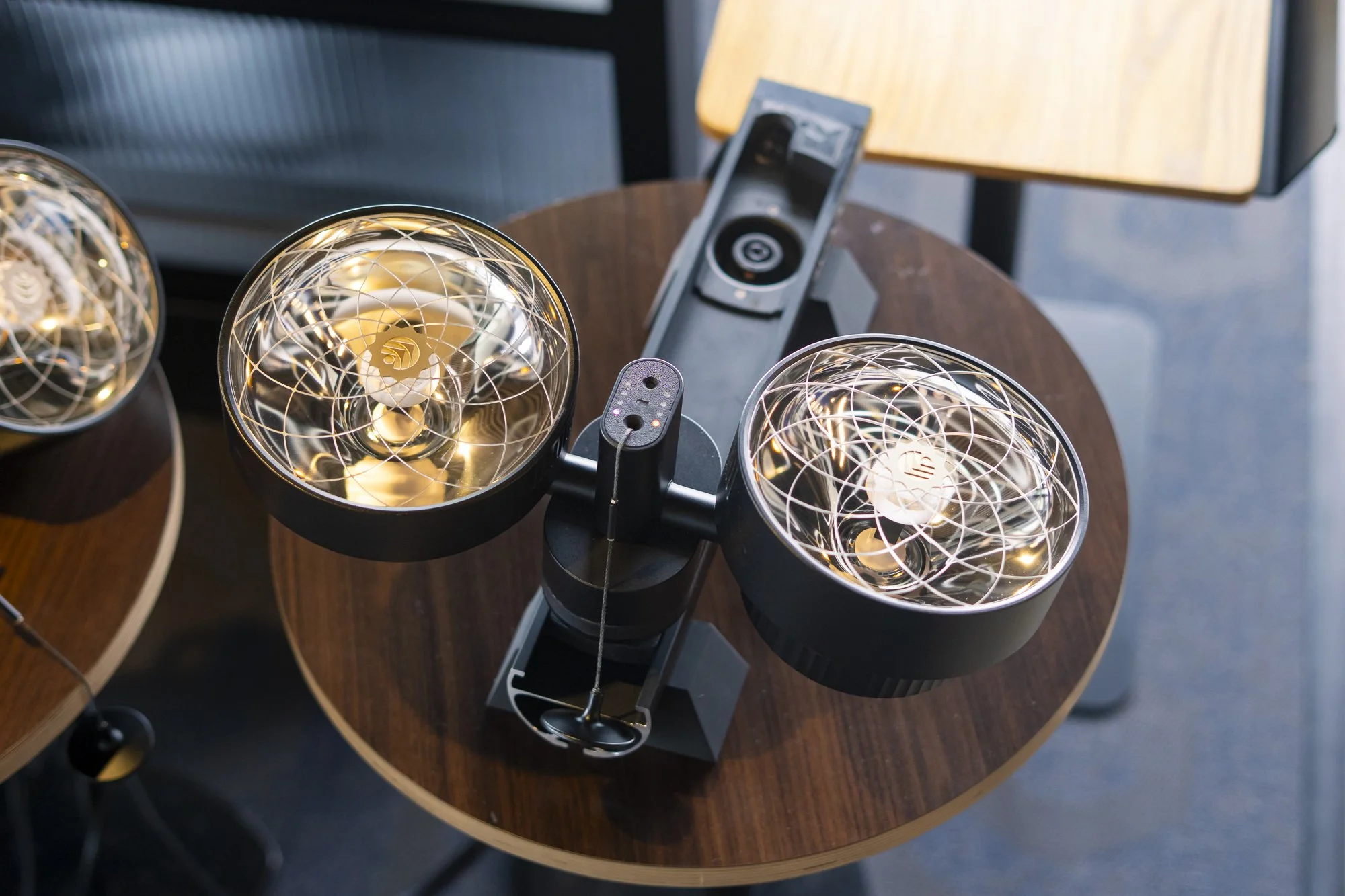
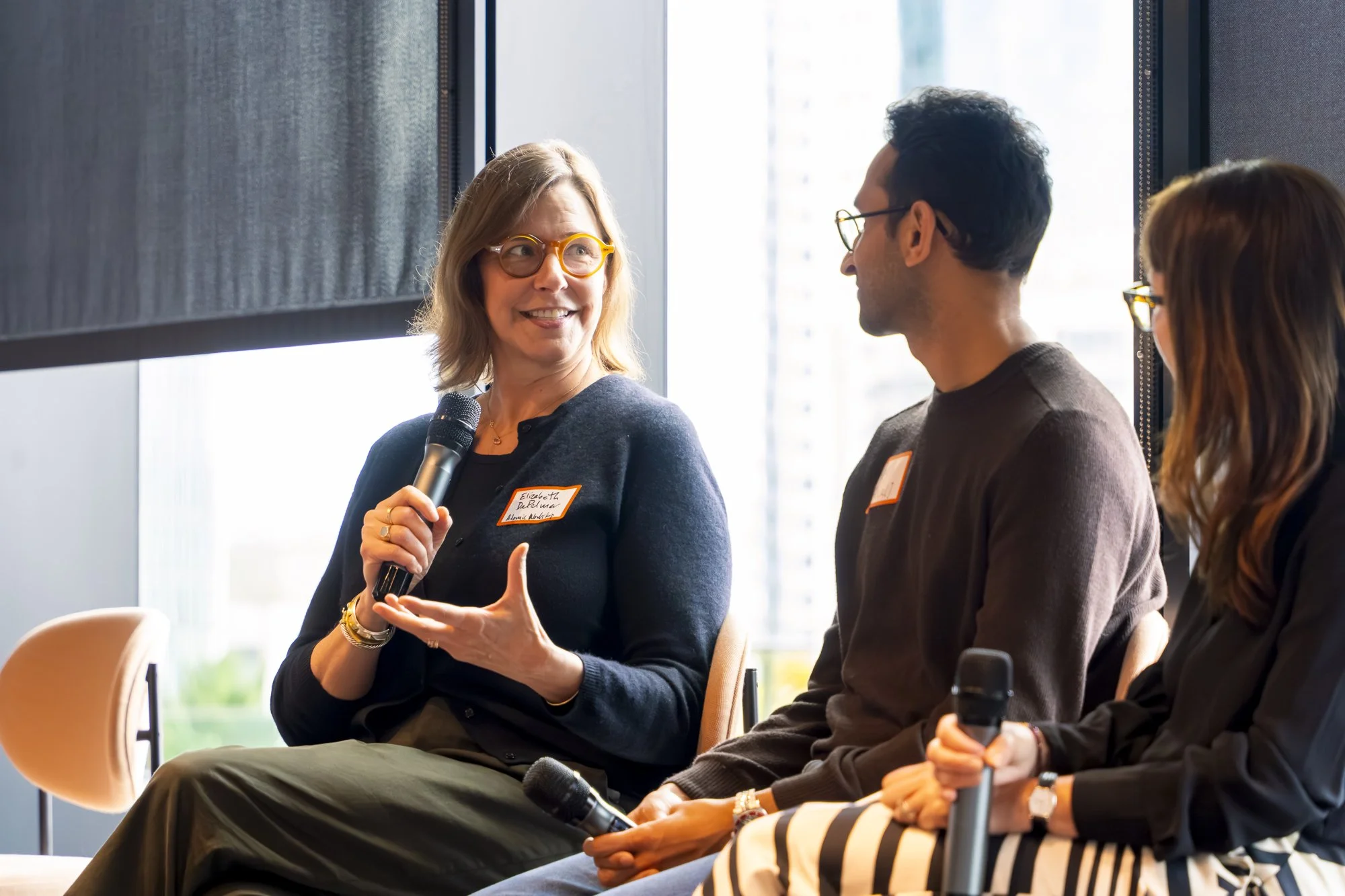
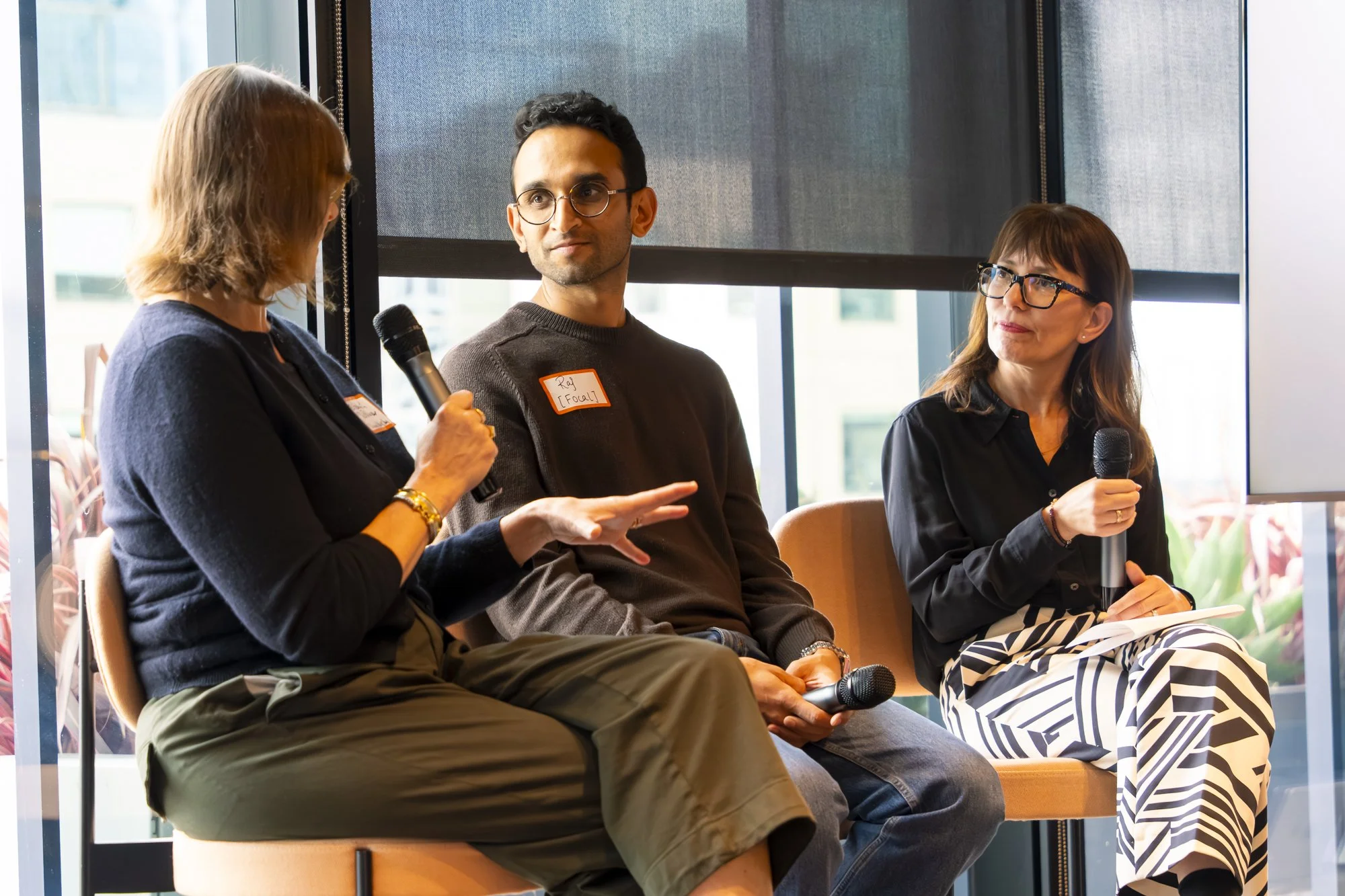
At SF Climate Week 2026, we caught up with Raj Tilwa and Elizabeth DePalmer to hear how Focal and Anchovy Bar are changing what outdoor dining feels like.
Two years ago, Raj Tilwa, co-founder of Focal, sent a cold email to Elizabeth DePalmer, managing partner of Atomic Workshop Restaurant Group, the San Francisco hospitality group behind Michelin-starred State Bird Provisions, The Progress, and Anchovy Bar.
She reads roughly one in 250 cold emails she receives. This one made it through because it named a problem she already had and offered something she hadn't believed was possible yet.
What followed was a tight product development partnership leading to Anchovy Bar becoming the coziest place in San Francisco.
Going door to door in a city that gets cold in May
Raj Tilwa and his co-founder Rohan Pandya grew up in India, went to high school together in Singapore, and arrived in the US in 2012. When they decided to start a company around heating, they did what most founders skip: summer 2022, they spent three weeks going up and down Mission and Valencia Street, talking to every restaurateur and service staff member they could find.
The brief had been drawn too small. Everyone had been designing for the guest sitting under the heater, warming up space. Nobody had designed for the staff member hauling propane, the manager buying and storing fuel, the restaurateur who'd built something beautiful and then filled it with equipment they resented. Focal was built to answer the whole brief.
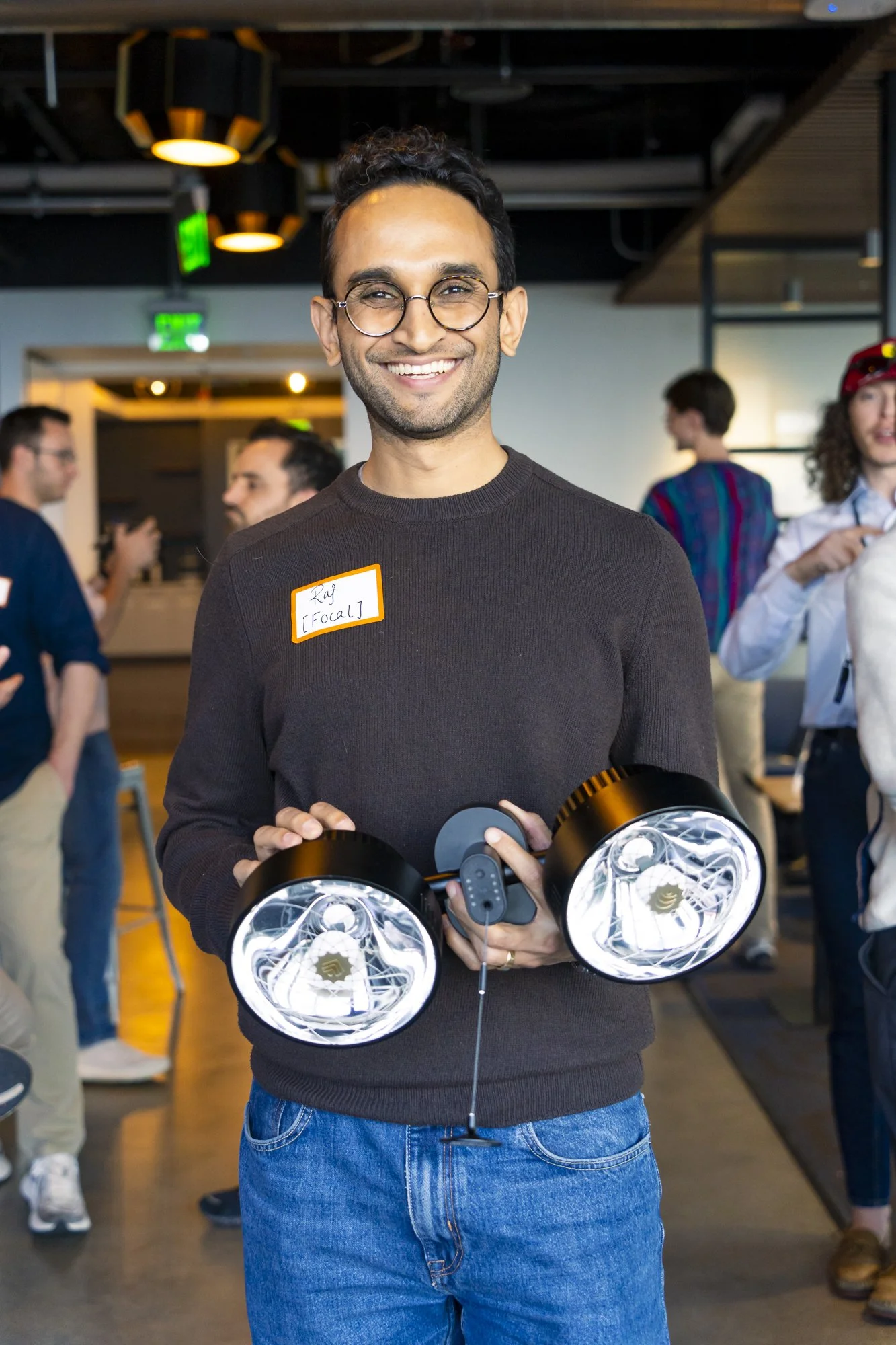
Focal Heaters were on display for the Xooglers in Climate annual event.
"Propane is just an abomination, honestly"
Elizabeth DePalmer filters out 99.6% of the cold emails she receives in about one second. When Raj's email arrived, she almost did. What stopped her wasn't optimism. "I didn't hold a whole lot of hope that it could be as good as Raj was saying," she said. "But it was worth the conversation because I always want to learn what's happening and what could be possible."
What she found was a team operating on a simple internal principle: deploy or die. The commercial product now certified to UL standards is their fourth generation, built in tight iteration loops with Anchovy Bar as an early development partner.
The restaurants she runs with chef owners Stuart Brioza and Nicole Krasinski had held Michelin stars for nearly ten years. The heaters on their parklet belonged to a different universe entirely.
Designing for someone who will never read your instructions
"You're there, and then you leave," Tilwa said. "You don't want to learn a new thing."
Every design decision, where the QR code sits, how the rail architecture works, what happens when a guest who's never heard of Focal wants to adjust the heat, was a question about earning presence in someone else's space. Earlier versions were bigger. Now, DePalmer said, "they're so small and sexy. They glide along the rail. They're just easy to use."
Getting electricity from the restaurant interior out to a parklet on a San Francisco sidewalk meant working with the landlord and PG&E, more to the story, DePalmer noted, than "oh, we like these pretty heaters."
But the trust was built through that process, revision by revision.
The seats nobody counted
The ROI case turned out to be cleaner than DePalmer expected. The direct costs of propane and regular heater replacement were significant. The indirect costs were larger and harder to track: the physical toll of daily setup and breakdown, the service team constantly restarting units mid-service, what DePalmer called "labor you can't even totally track."
But nobody had calculated the space gain in advance. Removing three to four large mushroom heaters freed enough room to add eight seats. "A chair to a restaurant equates to a guest, which equates to money," DePalmer said. "We gained about eight seats in a very small restaurant. That's wildly impactful."
It also changed how reservations were taken. Hosts started actively promoting the parklet, telling guests there'd be personalized heating available, converting tables that had previously been difficult to fill because someone in every group runs too hot or too cold.
Now, on rainy nights, guests sit in the Anchovy Bar parklet and enjoy it.
When the heater ends up on Instagram
For a group that has held Michelin stars for nearly ten years, nothing in the dining experience is accidental. The lighting, the tableware, the menu design: DePalmer and chef-owners Stuart Brioza and Nicole Krasinski treat every detail as an extension of the brand. Rolling out beaten-down mushroom heaters every evening was always the exception: "We put a lot of thought and vision into those spaces," she said. "And then we'd fill them with that."
The bar for any new supplier was set accordingly. What Focal had to prove wasn't just that the product worked — it was that it belonged. It cleared that bar. On rainy nights, guests now sit in the Anchovy Bar parklet and enjoy the sound of it. Someone who runs cold and someone who runs hot can sit across the table from each other and both be comfortable, each dialing in their own heat via QR code without the other noticing. "It's not just frying the top of your head," DePalmer said. "It is focused on you."
The part nobody anticipated: guests started writing about it. Reviews on Yelp, OpenTable, and Google began mentioning the heating specifically — not the absence of discomfort, but the presence of something worth noting. For Focal, that became a sales tool. For Anchovy Bar, it became something rarer: a piece of infrastructure that guests noticed and remembered.
What's next
Focal is expanding to Southern California, with install partners now coming to them having heard about the product through other projects. His advice to early-stage founders: get out there. "It'll be hard for the first five times. But the sixth will be so easy, and you're going to meet one person who wants to have a real conversation. That will fuel you for the next 100 no's."
When asked what drives the company, Tilwa didn't talk about the heater. "Third places are so important for societies in general. To have this chance to work with restaurants, which are such a core part of any city, town, community, it's just such a special thing."