
How startups are funding and exiting today
Series A is plan B
Shaun Abrahamson, Managing Partner at Third Sphere, has been investing for over 20 years. He opened his remarks at the Life Upgraded event with a confession that surprised many: "Right now, I understand the Series A process less than I ever have."
The market he described is one where most investors have been given what he called the green light to gamble. "They can just go all in as long as you can point to growth and you can say AI and physical AI and data center and energy," he said. "If you can't say those things, I don't think you have permission to invest."
For the majority of climate founders in the room who cannot say those things, the implication is direct. Waiting for a Series A is a strategy built on someone else's permission structure. The panel's collective advice was to stop waiting.
The reframe Abrahamson offered is simple enough to be inconvenient. "Instead of trying to understand what VCs want, just figure out what customers want."
That shift in orientation leads to a second, harder principle: sell the thing you're embarrassed about. When a customer tells you you're the best option, that's enough, even if you can already picture something far better. Most founders get stuck there, overbuilding toward a future their customers can't even imagine yet.
The mental shift, as he put it, is giving yourself permission to sell faster. When you do, VCs become what Abrahamson thinks they should have been all along: irrelevant.
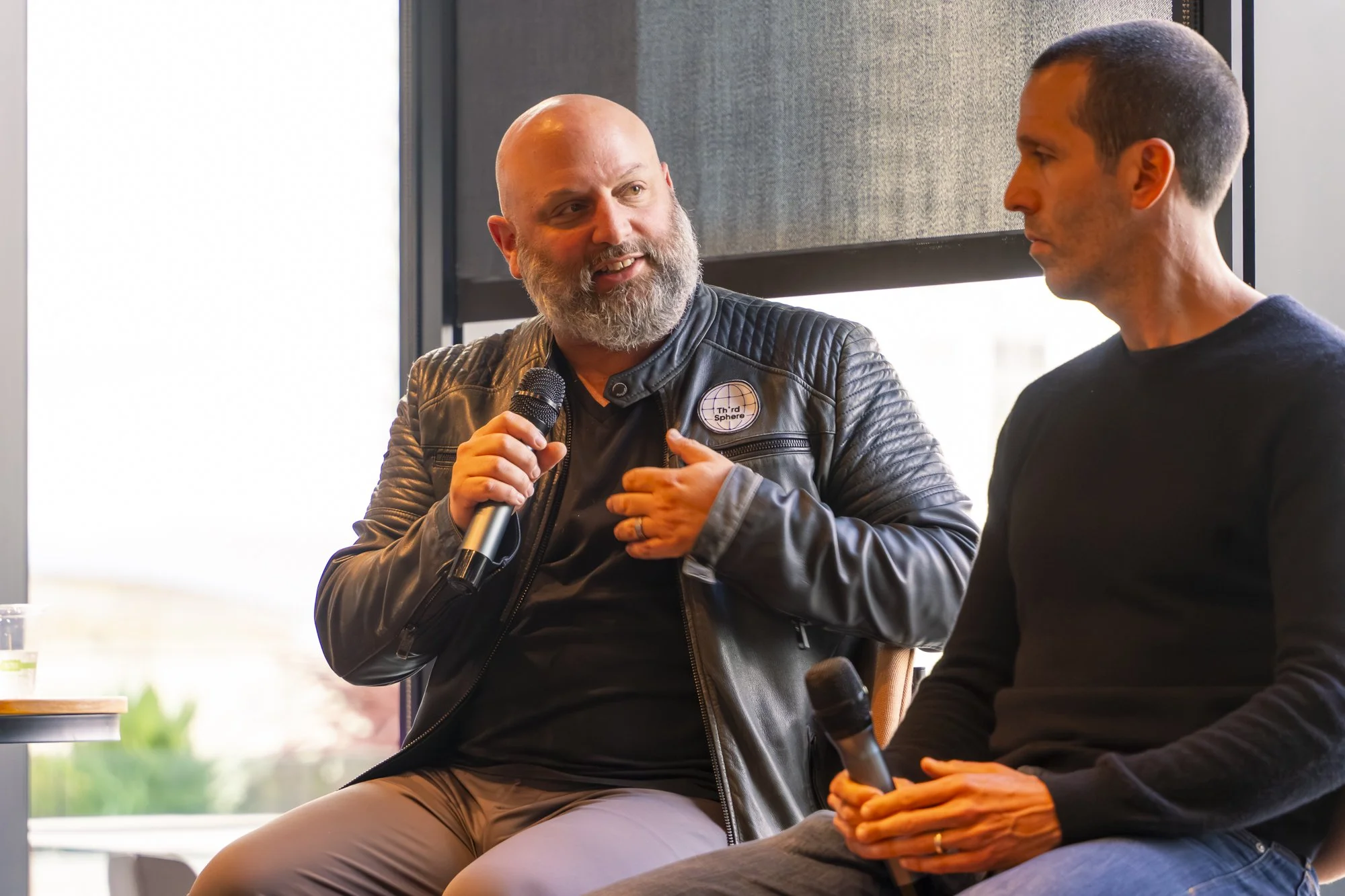
Shaun Abrahamson, Managing Partner, Third Sphere, and Dane Patterson, Partner, Goodwin
Breakeven is a negotiating position
Getting to breakeven tends to be framed as a survival story. The more useful frame, according to the panel, is that it's a leverage story.
The financial argument for getting to breakeven (separate from the product argument) is about negotiating leverage. Claire Veuthey, Managing Partner at Rizoma, an M&A advisory firm, described a company she worked with that was weighing a new fundraising round against a sale. They cut the team, took back some operational work, and got to a position where they could run a process from a place of choice. The key was that they didn't have to sell, and that optionality changed everything.
Dane Patterson, Partner at Goodwin, named the other side plainly: when a buyer knows you have to sell, you get a very different number than if you don't.
The implication for how founders manage spend is more specific than it might seem. If there's genuine confidence that a Series A is coming in six months, some burn is rational. If that confidence is misplaced, the spending decisions made under that assumption become the thing that eliminates all other options. Breakeven isn't just about staying alive. It's about staying in a position where you can choose.
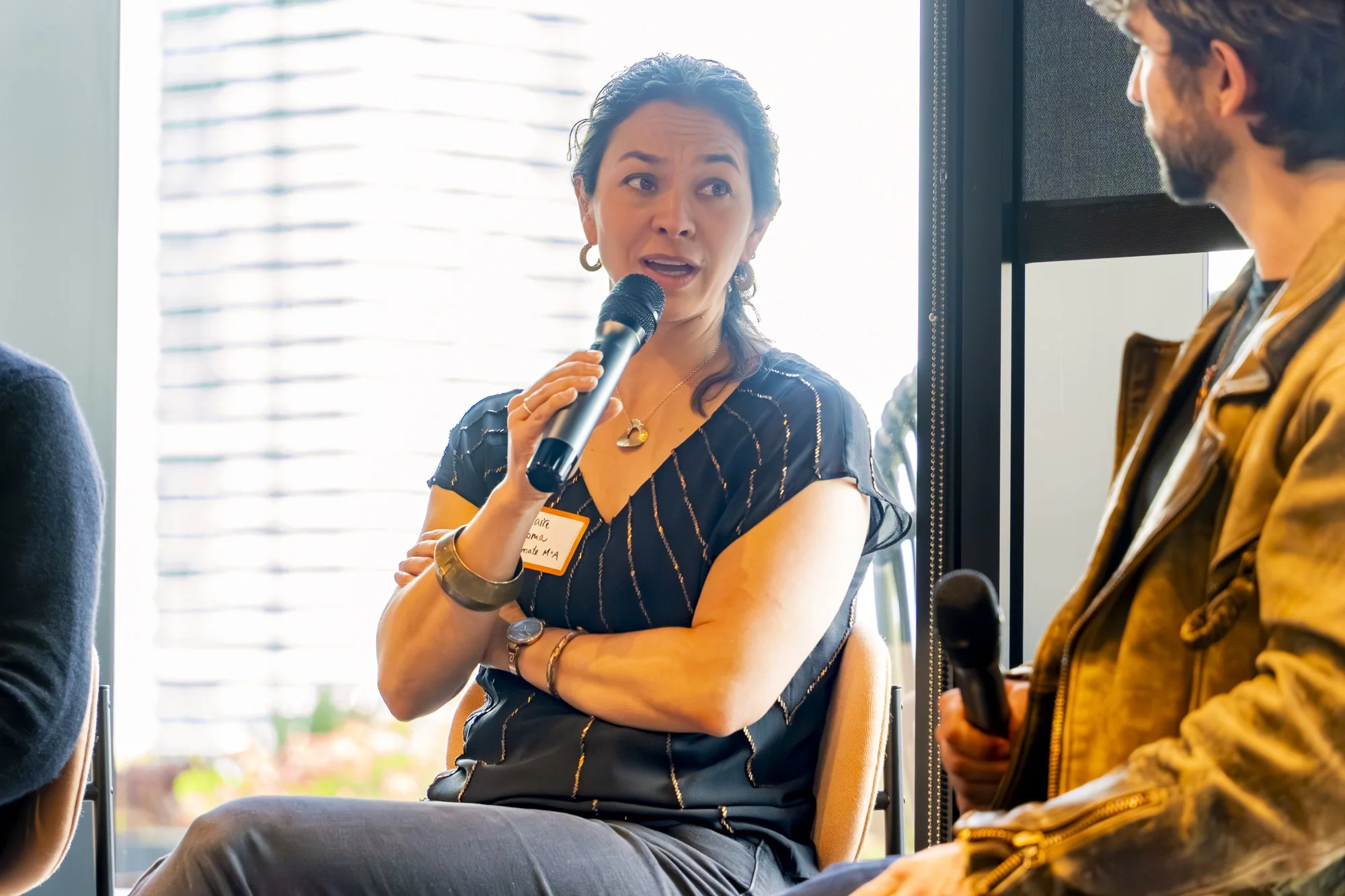
Claire Veuthey, Managing Partner, Rizoma
The funding alternatives founders aren't exploring
When traditional venture isn't the path, most founders cycle through the same short list of alternatives. The panel suggested the list is much longer than founders typically realize, and that the gap is mostly one of education rather than availability.
Abrahamson pointed to non-dilutive funding as systematically underexplored, noting that Third Sphere built a tool specifically to surface it. The better forms, he said, tend to be asset-backed: project finance, equipment leasing, off-take agreements where customers are essentially pre-purchasing future output. These instruments exist in volume. Founders just aren't taught to look for them.
The other overlooked source is hiding in plain sight. For climate companies working with physical products, suppliers and distribution partners are often functioning as informal lenders already, through extended payment terms, deferred invoicing, or inventory arrangements. The difference between a supplier who extends you 90-day terms and a bank who gives you a line of credit is mostly cosmetic. One of them is also deeply aligned with your success.
The parallel point Patterson made is about spend discipline as its own form of financing. Every dollar not burned is a dollar that doesn't need to be raised. In an environment where the next round is uncertain, managing growth accordingly isn't conservative — it's the thing that keeps options open.
Why services stopped being a dirty word
For years, services revenue was something climate tech companies hid from buyers. Diligence processes were specifically designed to find it. The concern was always the same: is this actually a software business, or is the recurring revenue masking a consulting operation that won't scale?
That stigma is dissolving, partly by necessity and partly because the valuation math that drove it has changed. Abrahamson put it simply: the default SaaS multiple has dropped from roughly 10x trailing revenue to closer to 4x. When software multiples compress that sharply, the argument for keeping the business model pure weakens considerably.
What's replaced it is something more interesting than a retreat. Veuthey described a sustainability consulting firm that recently received an acquisition offer from a SaaS company, a direction that would have seemed backwards two years ago. The logic was straightforward: the software needed the services layer to actually deliver outcomes, and buying it was faster than building it. She's also seen the reverse, SaaS companies that built out consulting arms and found that the two businesses made each other stronger, with the services work driving deeper product adoption and the product making the services more scalable.
Abrahamson's portfolio company Cove traced a full arc. They started as an architecture firm, became a software company automating lifecycle analysis for architects, and recently returned to being an architecture firm, one selling to developers rather than architects, and doing work their original clients turned out to be relieved not to do themselves. The punchline was sharp: the architects hated the compliance grind that Cove's software was automating. The software didn't replace their desire; it just removed the part of their job nobody wanted.
The legal landmines hiding in early contracts
Patterson's most useful observation was almost darkly funny: the contract terms that blow up deals are almost always signed during moments of maximum desperation. A change-of-control clause, a customer's right to cancel on acquisition, these feel like boilerplate when you're trying to get a second logo. They look very different when a buyer's counsel finds them across a dozen accounts in diligence, and by then, you have very little leverage to fix them.
The same dynamic applies to equity structure. Standard documents mostly just work at exit: investors recover their preference, proceeds flow to common, everyone gets paid in an order that makes sense. It's the creative provisions,the ones added early to solve a specific problem, to keep a key hire or satisfy an unusual investor, that force buyers to stop, price the complexity, and negotiate around it. The time to get this right is before anyone is in a hurry.
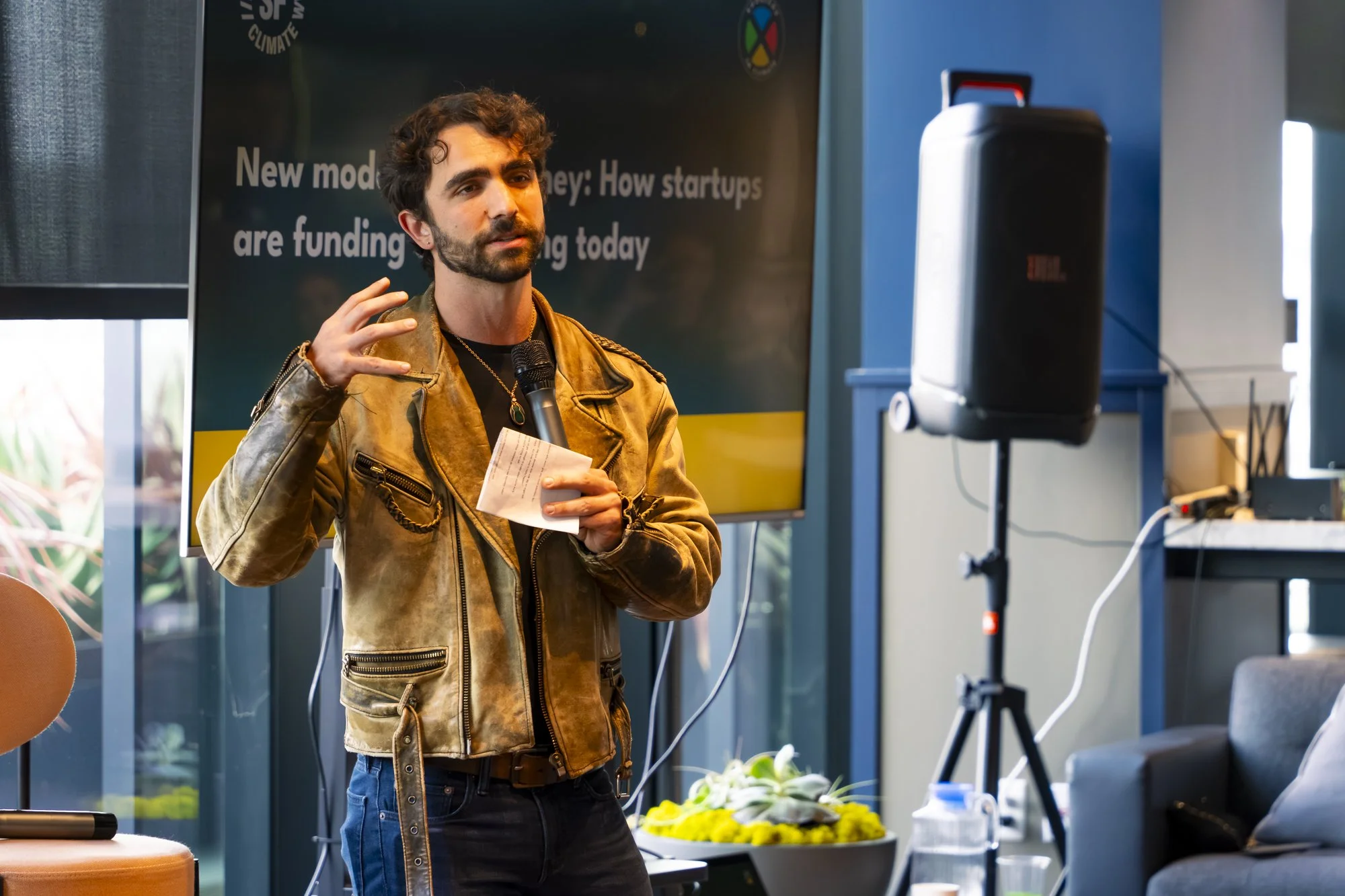
Panel moderated by Mark Grozen-Smith, Co-host
The exits founders aren't planning for
For many climate companies, the realistic exit is not an IPO. It's an acquisition by a larger player who can provide the distribution, manufacturing relationships, and regulatory access that would take an independent company a decade to build independently. Veuthey's framing was direct: being acquired by a company like Siemens or Bosch is not a consolation outcome. For the right company, it's the right outcome.
What's changed recently is where those acquirers are coming from. Alongside the large strategics, Veuthey has seen more consolidation within the startup layer itself, better-capitalized companies acquiring direct competitors or adjacent players, sometimes with investors rolling equity into the combined entity and continuing the bet rather than cashing out.
The consistent message on timing was simple: start earlier than feels necessary. A full process takes around six months, which means the thinking needs to begin a year before the moment of need. That's not a long time in the life of a company. For founders who get it right (who arrive at the conversation with options, clean contracts, and no urgent pressure to close) the outcome on the other side can be exactly what they set out to build toward in the first place.