Many B2B founders I talk to are either chasing the last of their 2026 budget or waiting for the Christmas lights to come down to announce something big in 2027.
But what should a launch playbook look like next year?
These are the seven things I would focus on.
If you grab the mic, make it loud
New AI models ship every week, developer tools are built in public, and buyers can barely keep up with the news cycle.
So is the product launch dead?
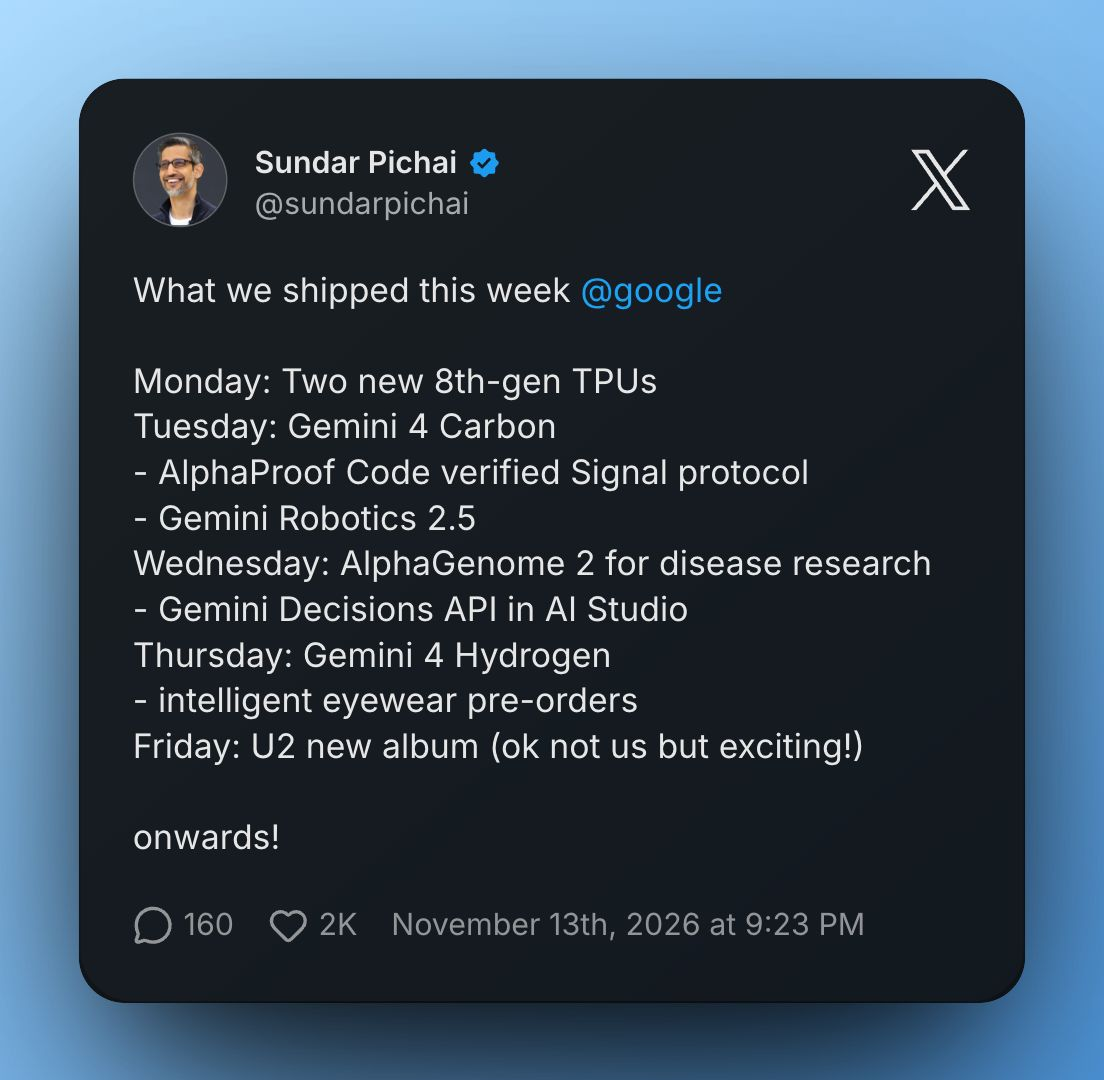
Eight releases in five days. Sundar Pichai’s recap of Google’s week, November 13, 2026.
I don't think so, but launches should be highly selective:
Smaller announcements should run on automation: messaging, social posts, short demos, tracking of adoption
Major launches should give people a reason to care with a story that is bigger than the product. They are a forcing function that aligns every aspect of a company, from product to marketing, on one story and one big goal.
Start by deciding which kind of launch you are running:
A growth-stage signal: scale and capabilities that show you are changing the category and will attract talent to the team.
A proof moment: awards, customers, and results that show you deliver and can create the buzz before a fundraise.
A competitive move: your competitors are getting a lot of air cover and you need your buyers to understand your differentiation.
Whatever the format, don't expect one press release and two social posts to move the awareness needle or to overwhelm your SDRs with demo requests. You need a compounding system.
What it means for founders:
Save launches for news big enough to align the whole company, and let smaller announcements run on automation.
Name the kind of launch you are running: a growth-stage signal, a proof moment, or a competitive move.
Set two or three KPIs, plus the one feeling you want the launch to leave behind.
Plan a compounding system of activities
Your launch should be an invitation to your world
"Branding is too expensive." "Claude does really good rendering." "We vibe coded our website"
Yes, you can get a sleek-looking website in a few minutes, with fairly good colors. But you haven't built a brand, and certainly not a memorable one.
And it's not a budget issue. Just like style can come from a thrift store, personality and a spiky point of view are within reach of every founder.
As a founder, you absolutely need to carve out the time to explore, document and codify what your brand should sound like, feel like, look like.
One example is the aesthetic of funding videos: most of them default to an office with plush sofas and good lighting. But Linq's $90M fundraise from a16z announcement films CEO Elliott Potter outdoors at golden hour, among cypress trees with the ocean behind him.
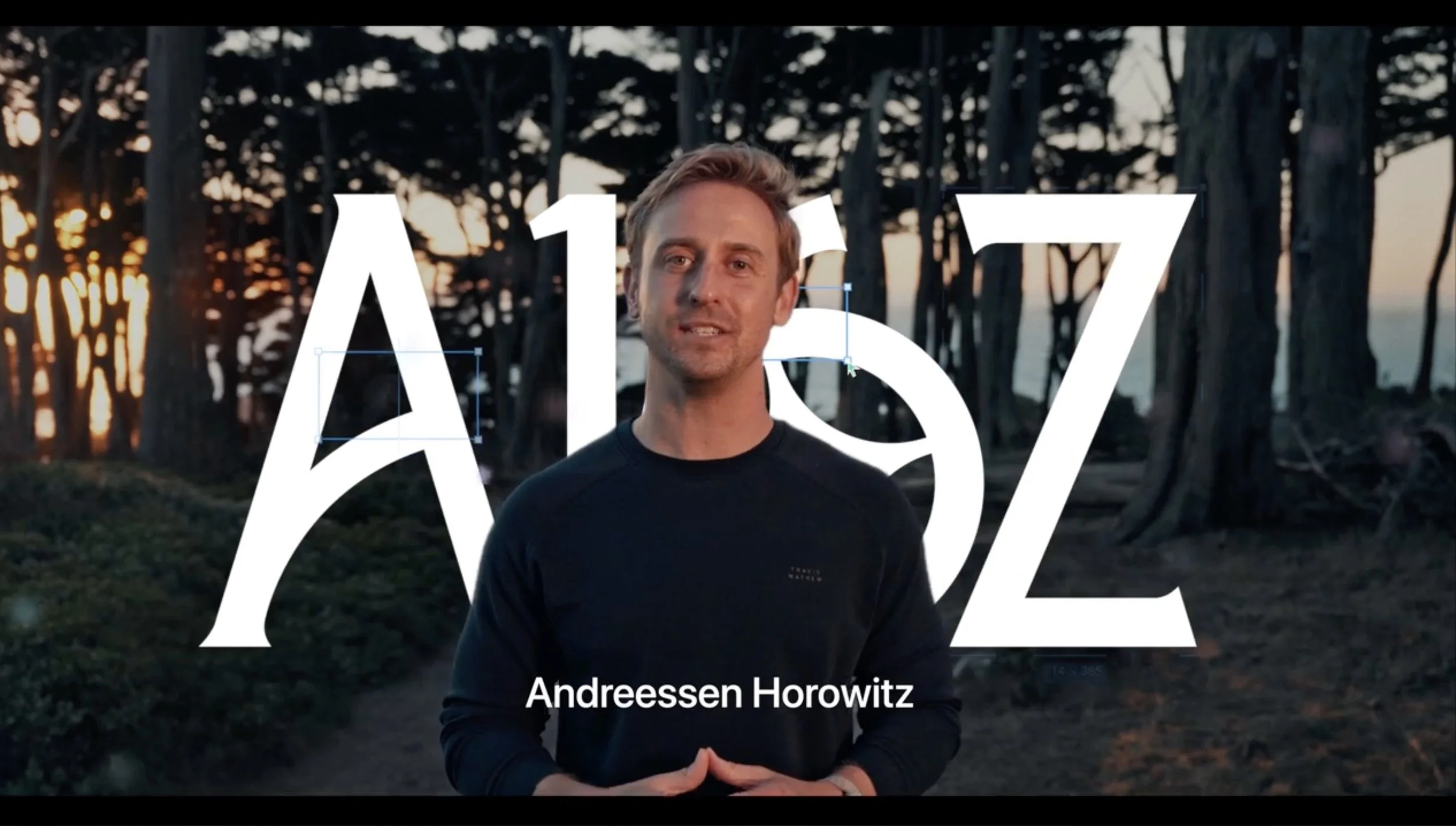
Golden hour, cypress trees, and a crewneck. Linq's funding announcement.
At $90M from a16z, the round already makes the noise, so the video can afford to signal calm and staying power. The setting says California, nature, calm, and long-term thinking. His plain dark crewneck and direct eye contact project confidence and match Linq's promise of AI agents as easy to reach as a friend.
Another example I recently wrote about the trend of Greco-Roman and Renaissance figures in AI-native brands, used as symbols of trust and gravitas.
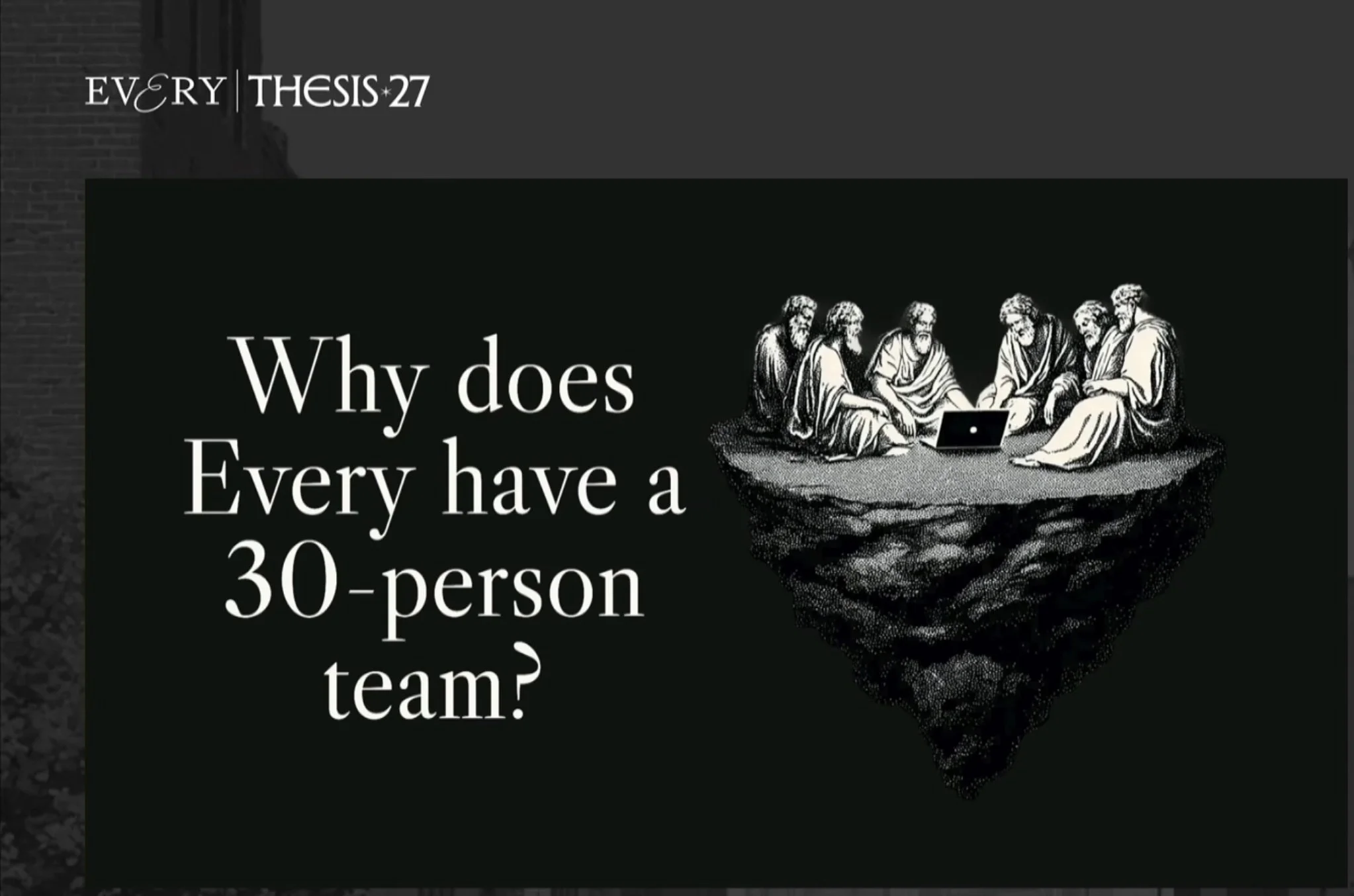
Credit: Every
What it means for founders
- Develop your spiky point of view.
Share an opinion that's both true and surprising, but not universally accepted. Your point of view is the part nobody can invent for you and is also harder to copy.
Pinnacle's CEO Alexei was already predicting in 2024 that "we're all going to be managers of AI employees." The line was bold enough to spark debate and rooted in conviction. He has repeated it on social media ever since, and today it's widely accepted.
- Express your (company's) personality. You can use proxy brands and metaphor to get there: if your company were a brand, a magazine, a location, which one would it be? It does not have to be the founder's personal brand. This becomes the basis for your tone, and how you want to make your audience feel.
- Pair it with your beliefs and your reason to exist (how the world changes if you succeed). At Ruli, this exercise traced the company's vision and values back to its origin story.
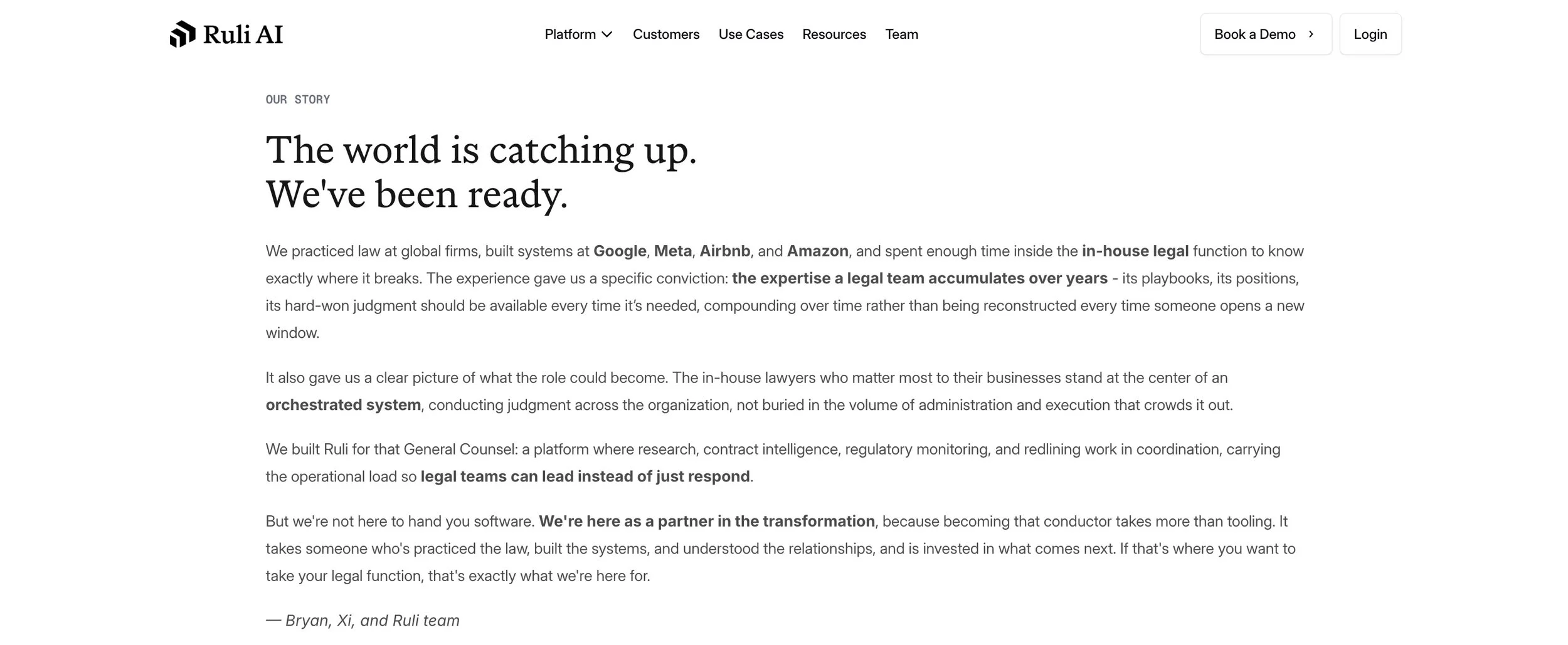
Credit: Ruli AI
- Know who you're for, and who you're not for. Decide what your voice sounds like. I often meet founders who worry because they're introverts and don't want to be the face on camera. They don't have to be. A humble, quiet founder attracts a specific audience, and with product-market fit, there's more than one way to show up.
- Codify these for AI, and adapt your brand language to each channel: your voice on X will likely be punchier than on LinkedIn, and both shorter than on your blog. For LLMs, save them as .md file so every draft starts on brand: a voice and style guide (tone, banned words, sign-offs), a brand identity skill (colors, fonts, visual rules), and one writing skill per channel.
You don’t have to be big to make your brand desirable from day one.
One launch, many audiences
Traditional launches speak to severak audiences:
Media (press, podcasts, blogs) gets the big story: why now, what changes in the market because your product exists, and the social proof behind it.
Customers, prospects, and employees get the outcome, in their own numbers and words.
Investors get your worldview: where the market is heading and why you win when it gets there.
Now add a fourth: LLMs.
The customer journey now starts with an AI assistant, a check with peers on LinkedIn, and then search for the brand directly and use AI again to help with their shortlist.
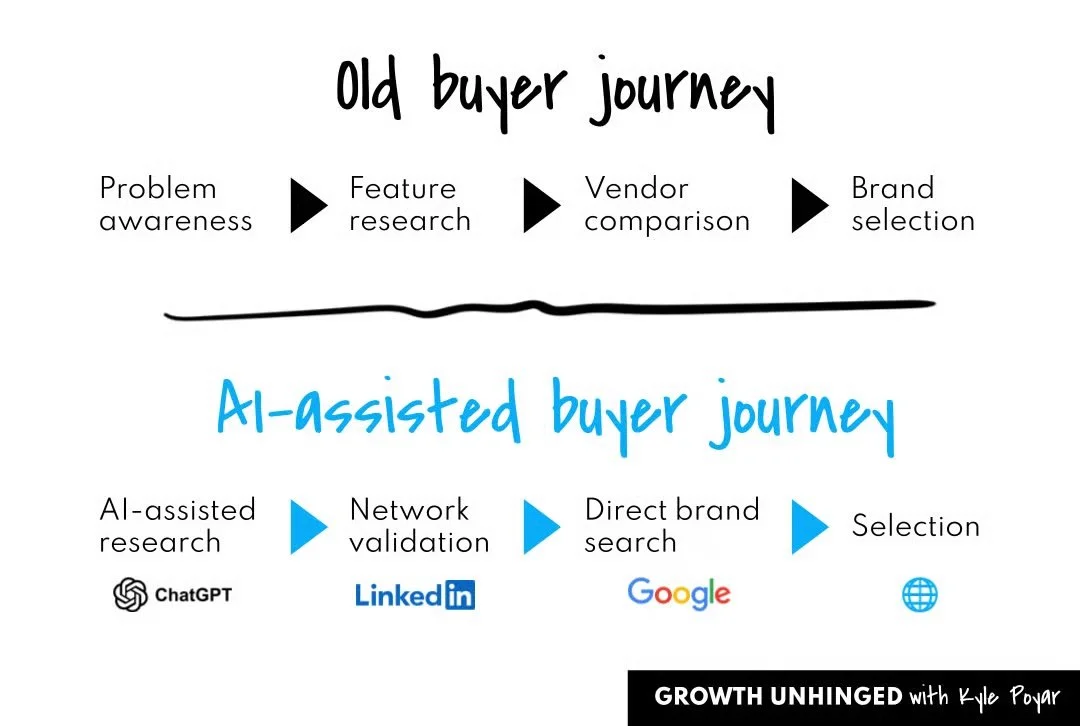
The buyer journey, then and now. Credit Kyle Poyar.
A 2026 Profound analysis of 27K prompts found that 57% of AI prompts sit in the middle of the funnel, where buyers compare and shortlist.
So make sure your launch includes AEO optimized pages, FAQs, competitive pages, pricing and use case pages that LLMs can find.
What it means for founders:
Publish AEO-ready pages before launch day for LLMs to find and quote.
Publish one comparison page per top competitor, with a plain table showing which buyer each product fits.
Two weeks before launch, ask ChatGPT and Claude to describe your product, then fix the sources they draw from.
Will the media care?
Yes, but you need a story bigger than product news. As PR expert Lisette Paras shared with me recently, Tier 1 outlets such as The Wall Street Journal, Bloomberg, and Business Insider keep returning to risk, jobs, and power, so lead with the shift readers care about and use your ROI figures as proof.
For AI products, agent accountability is one of those shifts: reporters want to know who is liable when an agent acts on its own. Since journalism is fragmenting, add Substacks, podcasts, and newsletters to your media list.
And to get you ready for your pitch, a headline mockup always puts you in the mood (Lenny, I am available!)
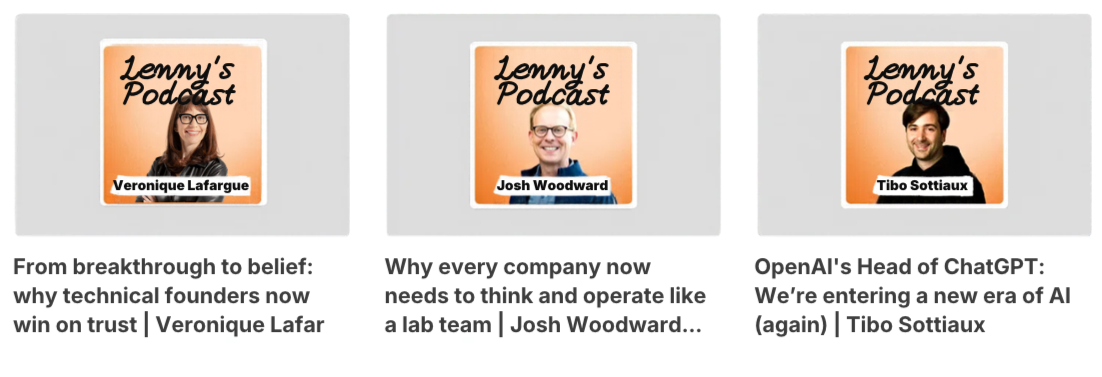
Mock up of my messaging for Lenny’s podcast.
What it means for founders:
Explore different angles of your story, and test the headline with a mock press release.
Pitch a shift tied to risk, jobs, or power, and use ROI as the proof.
If you can't afford a PR agency, start with your personal relationships and trade media, and ask your favorite agent to assess each outlet's angle and tone before you pitch.
Just add magic: upgrade your events
RL events surged in 2026, so your dinner competes with a dozen others, and with Netflix. A formula from my Google days still goes a long way: know the user, know the magic, and connect the two.
With AI, content has become low calorie and low effort, so a bit of emotional resonance is what makes a launch event memorable.
It comes from the creative moment and the attention to detail, and both are within reach on any budget. Booking a good restaurant is the easy part. Pick the best host, then give them the tools to engineer the atmosphere and the interactions, from the seating plan to the first question at the table. And ask your advisors and customers to bring their own people, because guests say yes to an invitation from a peer.
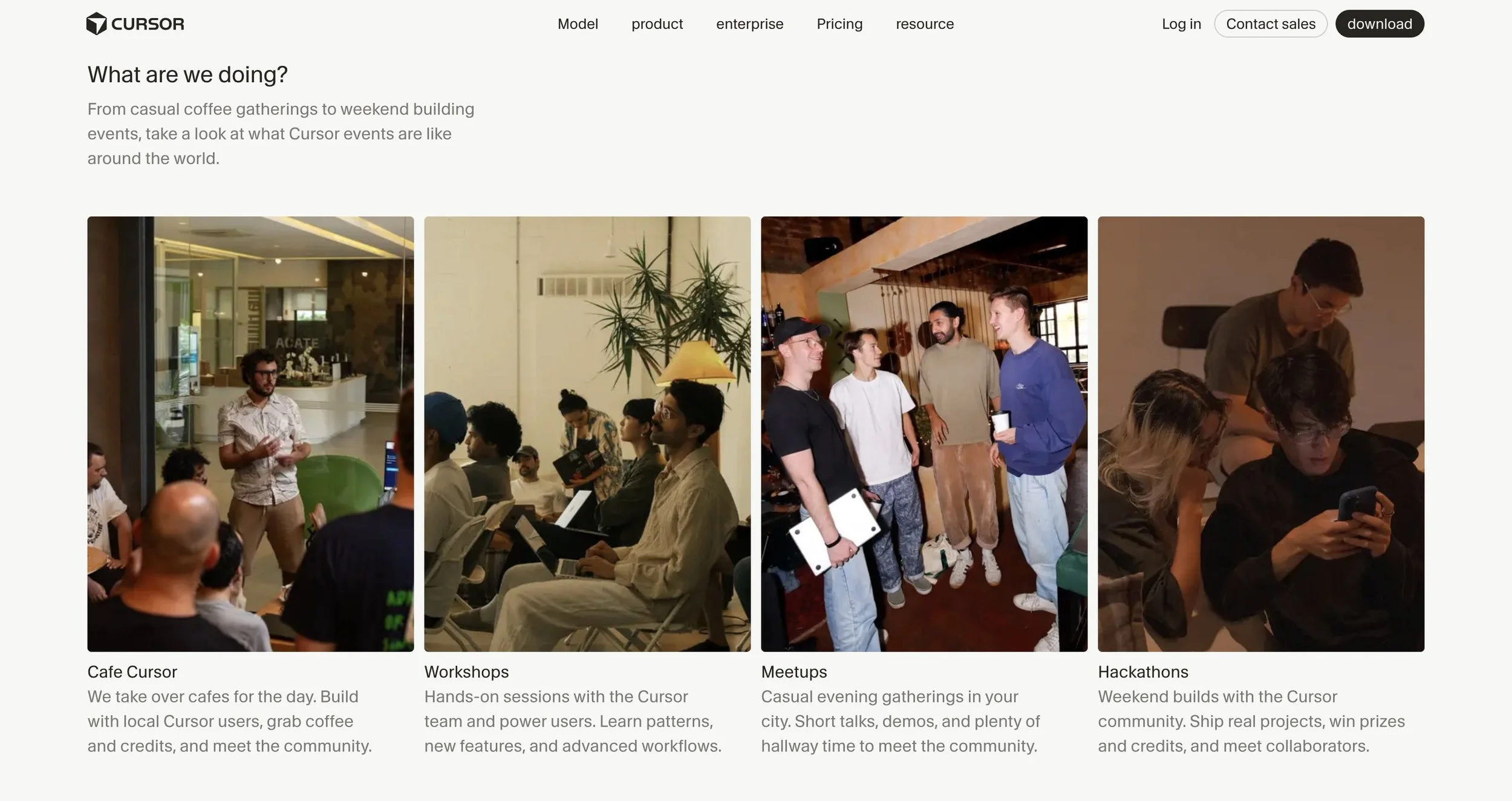
Cafe takeovers, workshops, and meetups, run by Cursor's community in 250+ cities.
Cursor's cafe takeovers are the most copyable format I know. Local users build together over coffee and free credits, with no agenda, and community ambassadors now run them in 250+ cities at almost no cost.
Agents can also help. Vercel runs events as an automated engine. The work starts two months out:
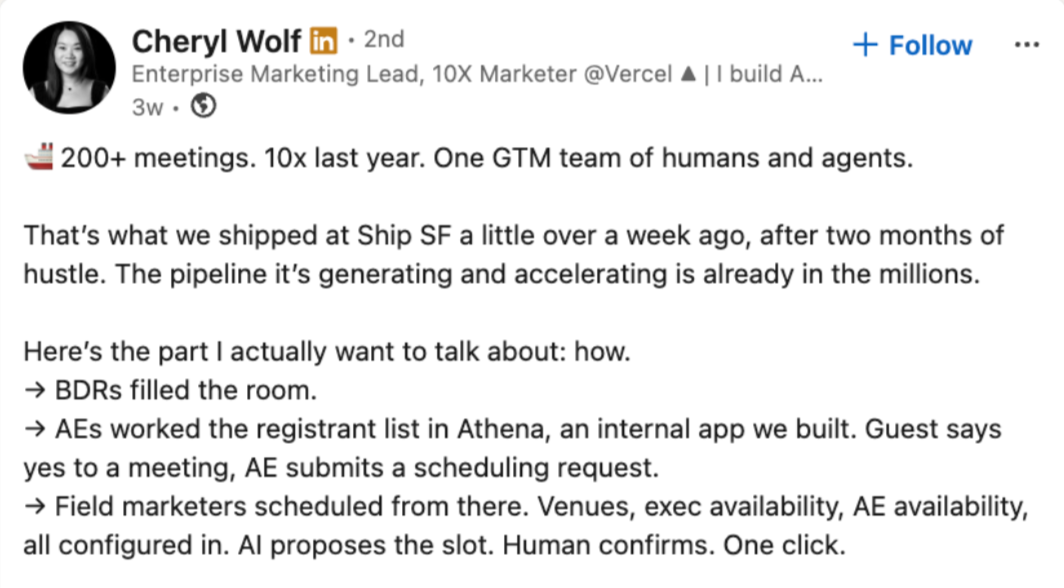
200+ meetings with a team of humans and agents.
Sales development reps fill the room, AEs ask each registrant for a meeting, and AI proposes a slot based on availability
On the day, AI writes the prep docs, handles check-ins, and pings each host with a table number when their guest arrives.
Afterward, reps and their managers get a daily nudge until every follow-up is closed.
Its latest event booked more than 200 meetings, 10 times the year before, and pipeline in the millions.
What it means for founders:
A nice restaurant alone won't be memorable, so tie the concept to what you build.
Book meetings before the doors open, and let AI handle prep and follow-up.
Play the host and make introductions. When guests have a great time, they leave with a warm feeling about your brand.
Polish one demo, then help it travel
The launch gets you eyeballs. Now you need to score, and two things lower the friction to a yes: a polished demo and an asset buyers can't refuse.
Master the art of the demo, live or recorded. This is the moment to invest time and switch on your movie director brain: whether it's a hype video or a product demo, the short format lets you obsess over details and quality.
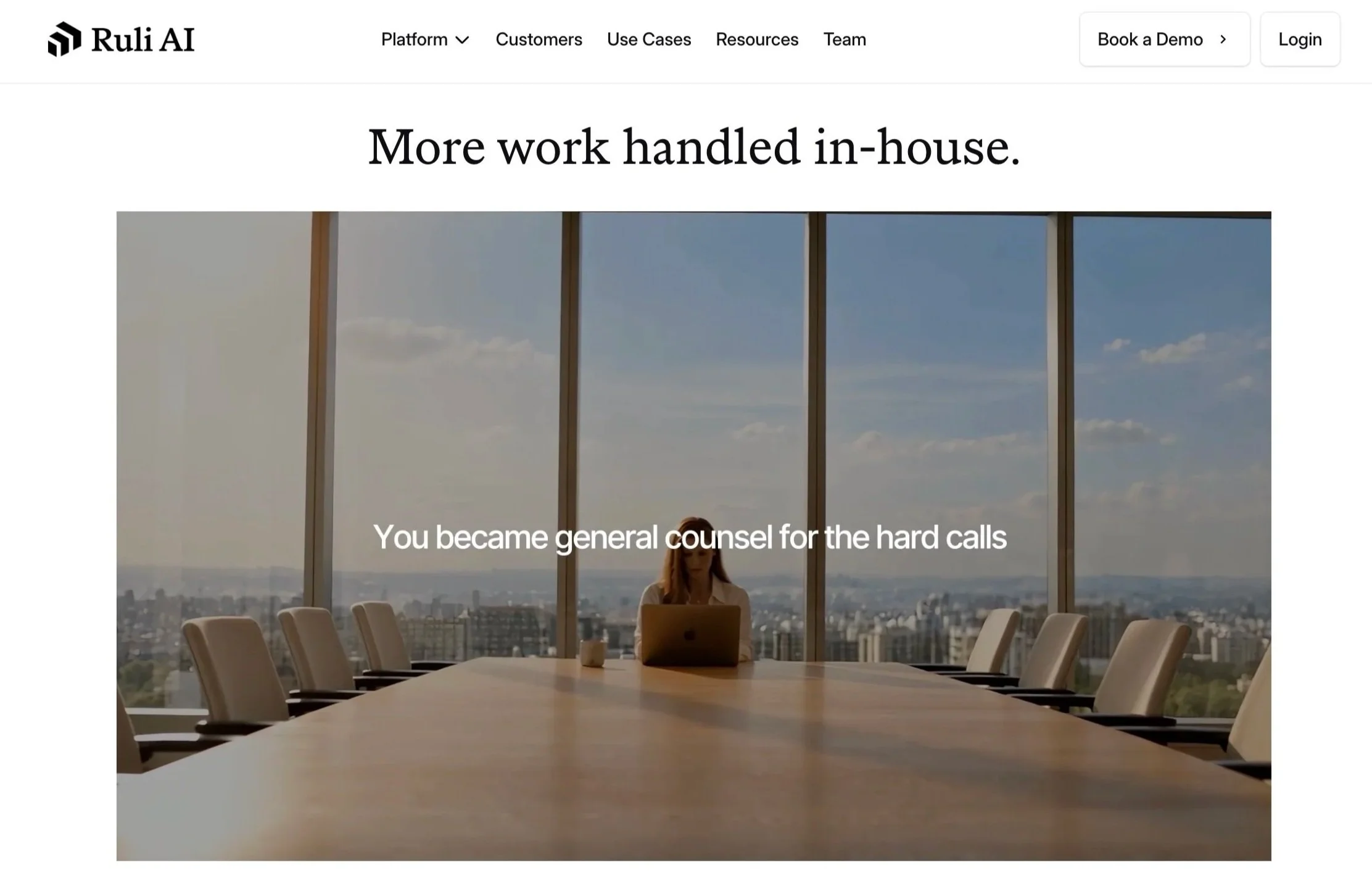
Start now. If the product UI may still change, use an abstraction of the experience, as we did at Ruli for our latest hype video.
Obsess over a simple, elegant demo. Founder and investor Mark Cummins, whose previous startup Pointy let shoppers search local store shelves online (Google bought it), was ready to spend 200 hours to cut 30 seconds from onboarding. Before each investor pitch, he also signed up the shops around their offices, so every live search found something nearby and created a sense of ubiquity.
Design the demo to travel: build shorter, tailored version your champion can forward to the security lead and the CFO so you don’t miss a critical stakeholder.
Offer a lower friction CTA: Your launch will send people your way, so decide where they land: one great asset and one clear next step. Make the asset something only you can create, from your own data, like Yigit's recipe for viral LinkedIn posts: every reader wants a copy. On LinkedIn, offering the asset through a "DM me to get it" post turns attention into conversations you can follow up on.
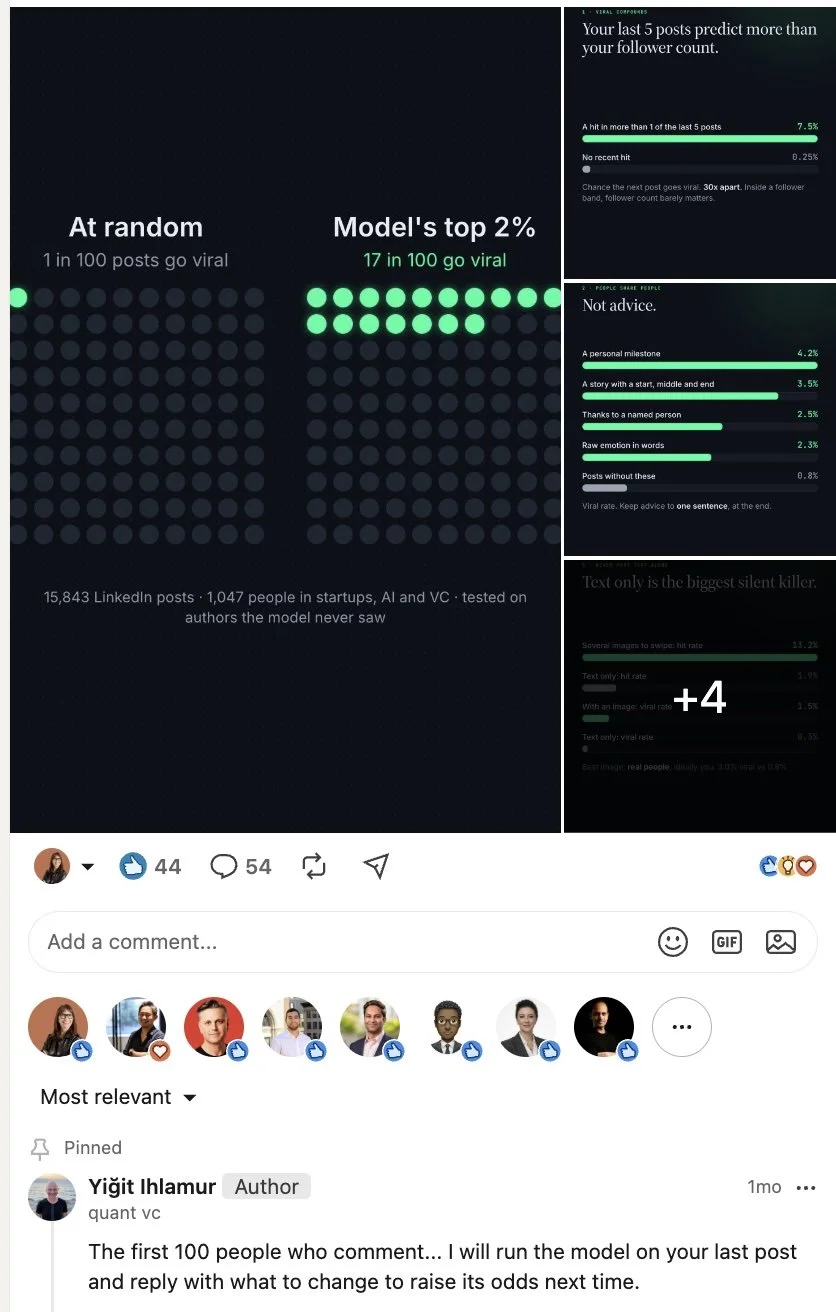
Credit: Yiğit Ihlamur
What it means for founders:
Invest in a demo and product experience that impress
Test them with five buyers and keep the moments that make their eyes light up.
Cut short leave-behinds your champion can forward.
Build one simple offer people want to share on social
Multiply the trust factors
Trust is hard to earn today, so stack every reason to believe you and remove every doubt you can.
Ask for proof in proportion to the effort: a survey answer takes a customer minutes, a press reference takes real commitment. Early on, ask your advisors for quotes.
Give your champion proof to forward: a named result, a pilot with a clear exit, and a customer story where they are the hero. Peer voices beat ads: Granola's 200+ operator ambassadors earn 10 times the engagement of its other LinkedIn ads.
Advisors are the fastest way to borrow trust. At Pinnacle, an AI coaching company, we built a council of 17 HR leaders who give fast market feedback and warm introductions.
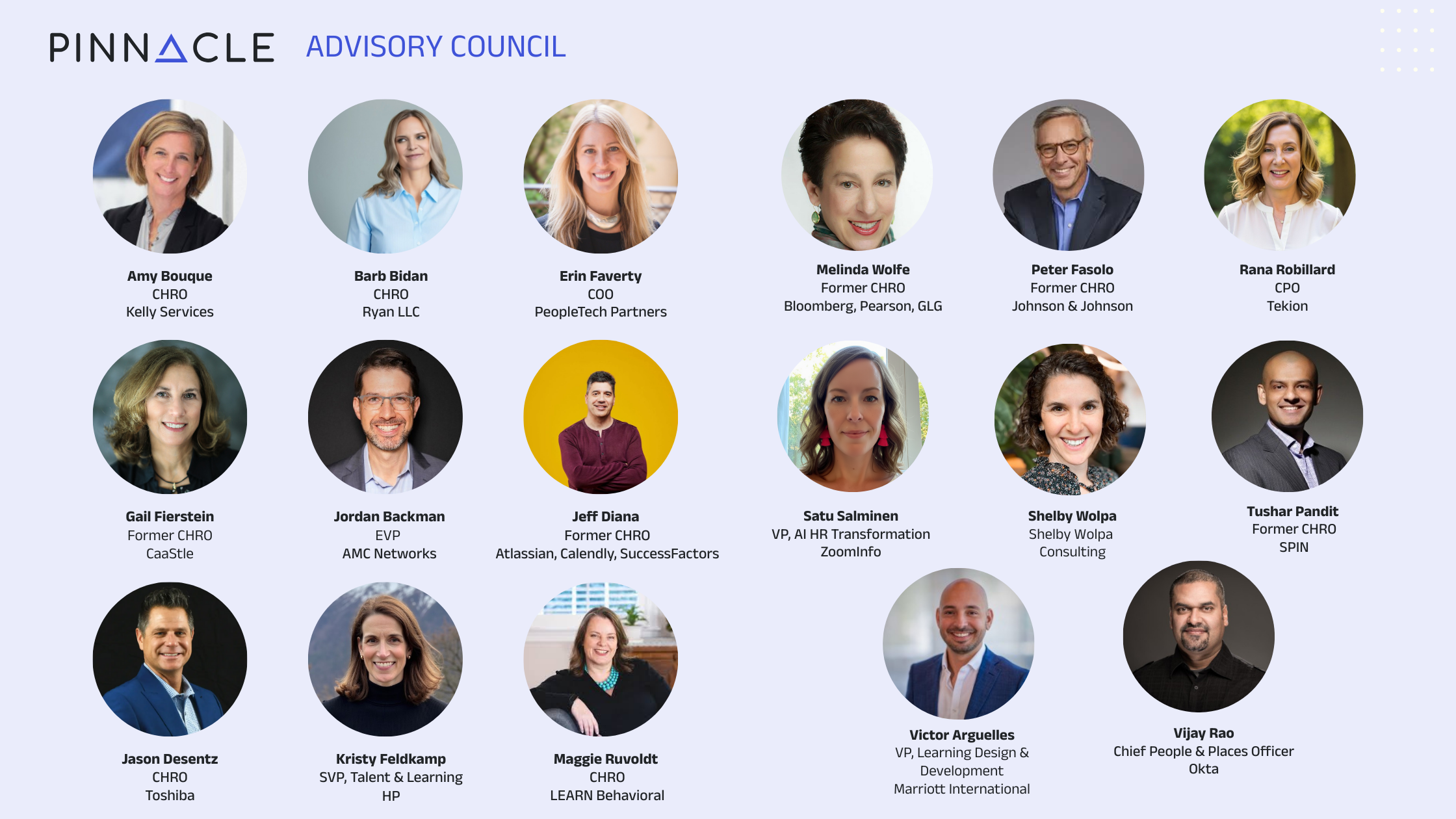
Credit: Pinnacle.
Make helping easy: draft a post in each advisor's voice, and seed the launch with them a week ahead.
What it means for founders:
Time the launch to release the customer stories you’ve been holding.
Line up advisors and early users before launch.
Draft their posts in their voice so helping takes minutes.
Create the buzz
Hopefully you’re excited about your 2027 launch: a unique opportunity to tell a story bigger than a product update, give the room some magic, hand your champion a demo worth forwarding, and let advisors and customers carry the story further.
So pick your date, and make it loud!